Explore Belgium
1 destination to discover
Everything about Belgium
Traveling to Belgium means stepping into a country that packs an extraordinary density of history, art, and gastronomy into just 30,528 square kilometers.
Few nations this small deliver this much variety — medieval canal cities, Art Nouveau capitals, Flemish masterpieces, and some of the world's most celebrated beers.
Belgium sits at the crossroads of Latin and Germanic Europe, and that cultural tension produces something genuinely unique.
Why Travel to Belgium?
What Sets Belgium Apart from Other Destinations
Belgium is the country where you can eat a waffle in a Gothic square, drink a Trappist ale brewed by monks, and stand before a Bruegel painting — all within the same afternoon.
The sheer concentration of UNESCO World Heritage Sites is staggering for a country this size. Bruges, Ghent, and Brussels each carry their own distinct architectural personality, nothing feels interchangeable.
Local guides recommend spending at least a week here. The country rewards slow travel and deliberate exploration far more than a rushed weekend dash.
Belgium at a Glance
Belgium has a population of approximately 11.6 million people spread across three linguistic communities: Dutch-speaking Flanders, French-speaking Wallonia, and the small German-speaking eastern cantons.
Brussels serves as both the national capital and the de facto capital of the European Union. The country borders France, Luxembourg, Germany, the Netherlands, and the North Sea.
Three official languages, two dominant cultures, and one deeply complicated federal system — Belgium is never boring politically or culturally.
Regions and Cities to Explore
The Main Regions of Belgium
Flanders dominates the northern half of the country, a flat, prosperous region of canal towns, cycling paths, and Flemish Renaissance architecture. Bruges and Ghent anchor this region.
Wallonia, the French-speaking south, looks entirely different. Rolling Ardennes forests, river valleys carved by the Meuse and Ourthe, and medieval castles give it a wilder, quieter character.
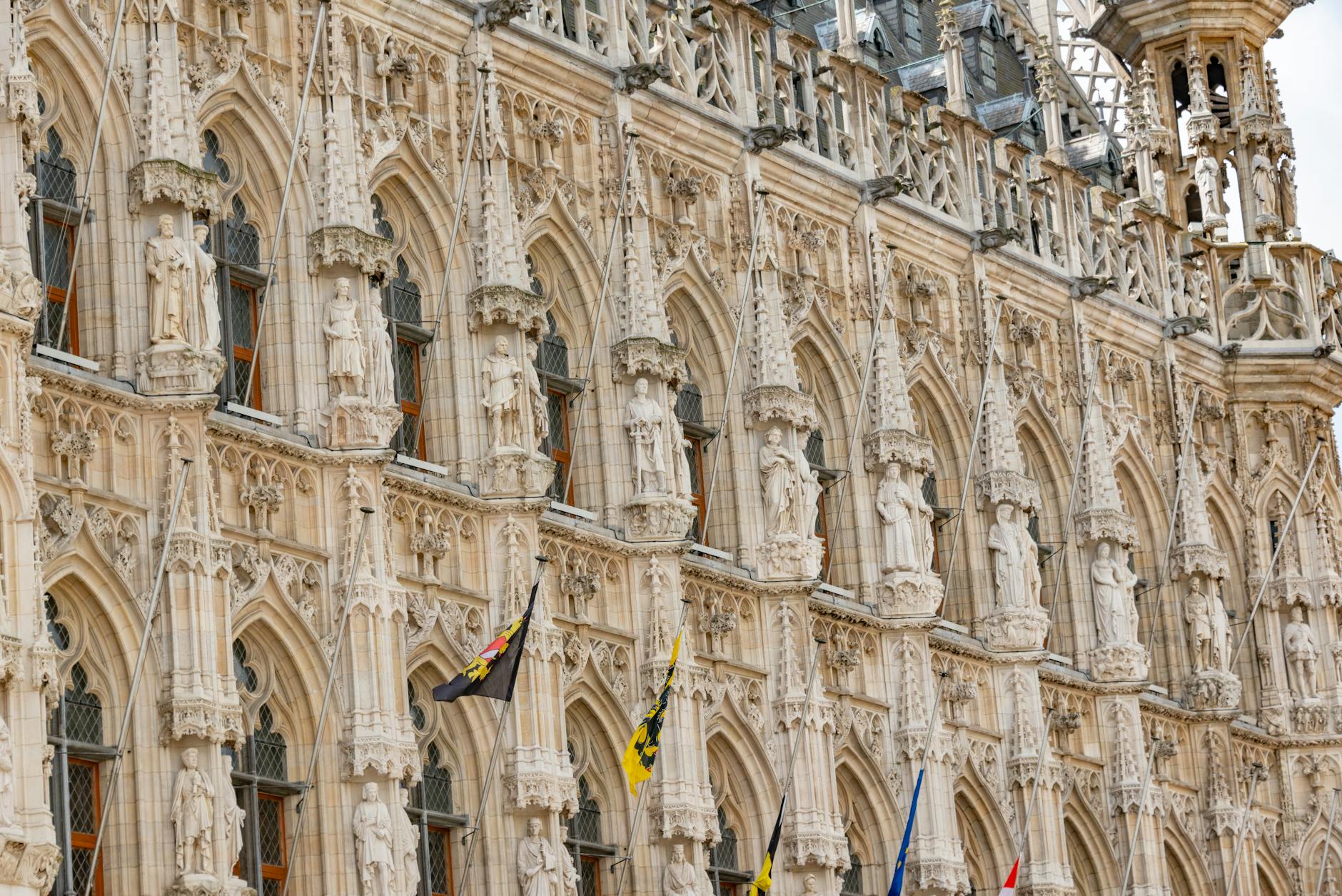
Between them sits the Brussels-Capital Region, technically bilingual but overwhelmingly French-speaking in daily life. It operates as its own administrative island surrounded by Flemish territory.
The tiny German-speaking Community hugs the eastern border near Eupen. Traveler reviews confirm it remains genuinely off the beaten track — authentic villages, no tourist crowds.
Which Cities Should You Visit?
Brussels is the obvious starting point — the Grand-Place alone justifies the trip. But this city runs much deeper than its famous square.
Bruges is medieval Belgium preserved in amber. The canals, belfry, and Groeningemuseum make it the most photogenic city in the country, though it draws over 8 million visitors annually.
Ghent strikes a more lived-in balance. It has the historic architecture of Bruges but the student energy and nightlife of a functioning modern city — 70,000 university students keep it vibrant year-round.
Antwerp is Belgium's second city by population, home to one of Europe's busiest ports and a world-class diamond trading district. Its fashion scene and Rubens Museum draw entirely different crowds.
Liège, in the Meuse valley, is Wallonia's cultural capital — gritty, passionate, and underrated. Its Sunday market, La Batte, running since 1207, is one of the oldest in Europe.
Culture, Traditions and Way of Life
Belgium's cultural identity is genuinely plural. Flemish and Walloon traditions developed separately for centuries, producing distinct festivals, art forms, and culinary habits.
Carnival culture runs deep here. The Binche Carnival, listed by UNESCO, sees hundreds of performers called Gilles parade through the streets in elaborate costumes each February, throwing blood oranges into the crowd.
Comic strips hold a surprisingly serious place in Belgian culture. Tintin, the Smurfs, and Lucky Luke were all created by Belgian artists — the country has over 50 dedicated comic book museums and murals.
Belgians take their leisure seriously. Sunday cycling is practically a religion in Flanders, and the spring classics — cycling races like the Tour of Flanders — attract hundreds of thousands of spectators to the countryside.
The pace of daily life in Belgium tends toward the convivial. Long lunches, neighborhood cafés that stay open past midnight, and a deep attachment to local festivals and markets shape the social rhythm.
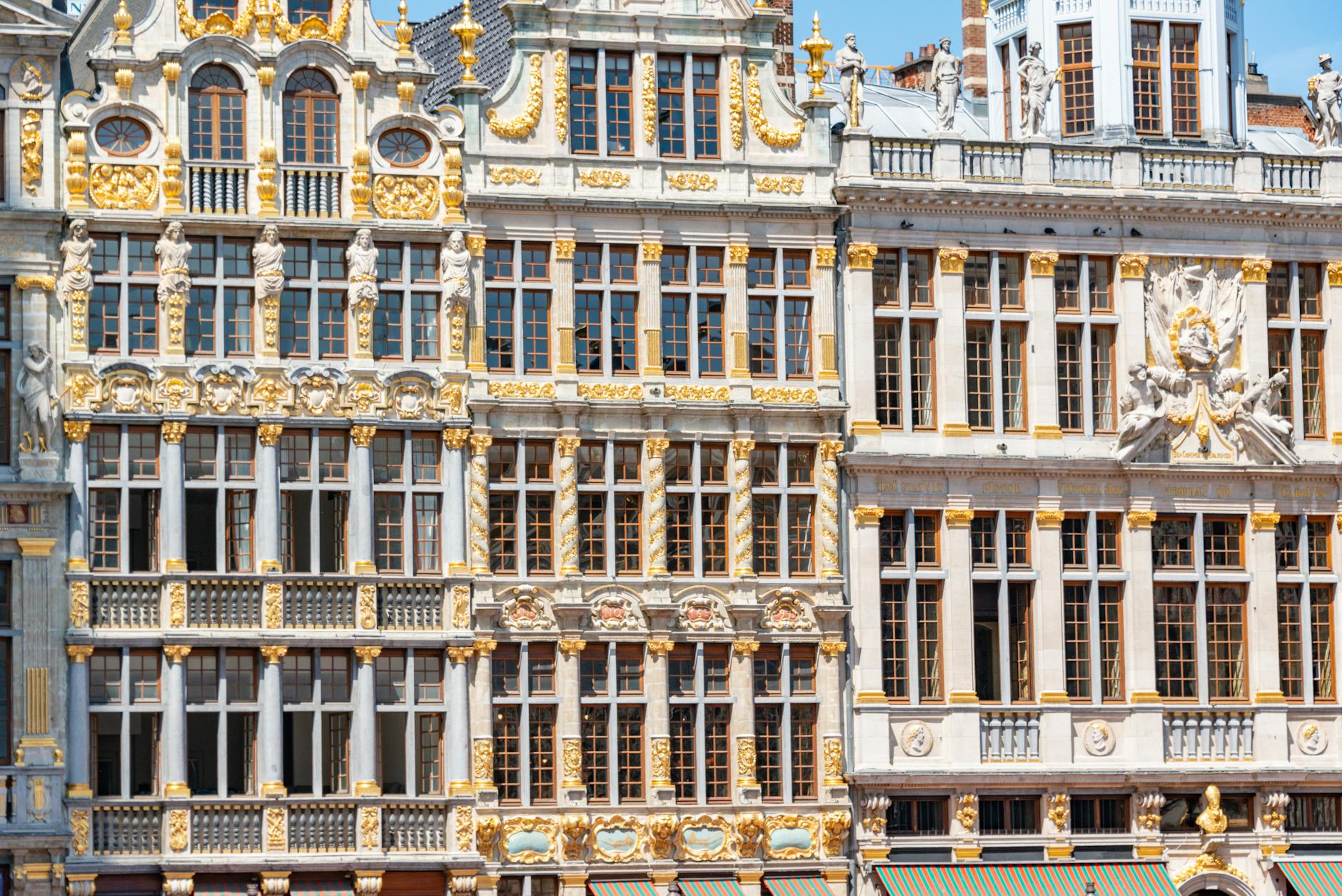
Visitor reviews consistently note the warmth behind an initially reserved exterior. Belgians rarely boast about their country — they let the waffles, the beer, and the architecture speak for them.
Food: The Flavors of Belgium
Belgian food culture punches well above its weight. The country has more Michelin-starred restaurants per capita than France — a fact locals mention with quiet, undisguised satisfaction.
Frites — not French fries, frites — are a national institution. The Belgian friterie tradition dates back to the 17th century, and the double-frying technique in beef fat remains the gold standard.
"Belgian chocolate, Belgian beer, Belgian frites — three things the world copied but never quite matched."
Chocolate here is serious business. Over 2,000 chocolatiers operate across the country, and brands like Neuhaus, Godiva, and Pierre Marcolini were born on these streets.
Beer diversity is extraordinary. Belgium produces more than 1,500 distinct beer styles, including Trappist ales brewed exclusively by monks in six abbeys. Orval, Chimay, Westmalle — each has its own designated glass.
Moules-frites (mussels and fries) reigns as the unofficial national dish, particularly in Brussels. Waterzooi, a creamy stew from Ghent made with chicken or fish, is another dish travelers return home craving.
Local markets in Liège and Antwerp sell raw herring, jenever (Belgian gin), and speculoos biscuits — flavors that root you firmly in this corner of northern Europe.
Practical Information
Visa and Entry Requirements
Belgium is a member of the Schengen Area, meaning EU and EEA citizens travel freely with a national ID card. No passport required for most Europeans.
Citizens from the US, Canada, Australia, and many other countries can enter visa-free for stays up to 90 days within any 180-day period. Always verify current requirements before travel.
From 2025, non-EU visitors will need to register through the ETIAS (European Travel Information and Authorization System) before entering Belgium or any Schengen country.
Budget and Cost of Living
Belgium sits in the mid-to-upper range for European travel costs. A comfortable mid-range budget runs around €100–150 per person per day, covering accommodation, meals, and transport.
Budget travelers can manage on €60–70 per day using hostels, self-catering, and free museum days. Bruges tends to run slightly more expensive than Liège or Ghent.
- A hostel bed in Brussels: €25–40 per night
- Mid-range hotel room: €90–150 per night
- Restaurant lunch (two courses): €15–25
- Draft beer in a café: €3–5
- Train from Brussels to Bruges: approximately €16
Getting Around
Belgium's rail network is dense, punctual, and affordable. The national operator SNCB/NMBS connects all major cities, and journey times are short — Brussels to Antwerp takes just 35 minutes.
Cycling infrastructure in Flanders ranks among the best in Europe. Dedicated lanes and flat terrain make bike rental a genuinely practical travel strategy between nearby towns.
In cities, trams and metros in Brussels, and well-marked walking routes in Bruges and Ghent, keep car rental largely unnecessary for most visitors.
When to Visit Belgium?
Belgium's climate is temperate and notoriously unpredictable. Rain can arrive any month, so packing layers is always the right move, regardless of when you travel.
Spring (April–June) brings mild temperatures between 12°C and 18°C, blooming parks, and lighter crowds before the summer peak. It's widely considered the most pleasant season.
Summer, especially July and August, draws the largest tourist numbers. Bruges in particular gets crowded, but outdoor festivals, terraces, and long daylight hours compensate significantly.
Autumn delivers golden Ardennes forests and harvest season beers. October and November see fewer visitors and genuinely atmospheric light in the Flemish canal cities.
Winter has its own appeal. Belgian Christmas markets in Brussels, Ghent, and Liège rank among Europe's most atmospheric, running from late November through December.
Local guides recommend avoiding the last two weeks of July in Bruges specifically — the city reaches its absolute tourist saturation point then. A week earlier or later makes a visible difference.
There is no single wrong time to visit Belgium — just different versions of it, each with its own particular rewards.
Frequently Asked Questions about Belgium
Best destinations in Belgium
Similar Destinations
Explore more destinations in the same region of the world.
Munich
In Munich, Germany, start at Marienplatz, then follow beer-hall buzz at Hofbräuhaus and slip into the English…
DiscoverAmsterdam
Amsterdam, in the Netherlands, draws travelers with its layered history — from the Anne Frank House to the…
DiscoverBerlin
Berlin, Germany stands where history cracked open: the Brandenburg Gate, the Berlin Wall remnants, and the…
Discover