Explore Austria
1 destination to discover
Everything about Austria
Traveling to Austria means stepping into a country where imperial grandeur and Alpine wilderness exist side by side, often within a single afternoon's drive.
From the coffee houses of Vienna to the turquoise lakes of the Salzkammergut, Austria packs an extraordinary range of landscapes, architecture, and lived culture into a territory smaller than the state of Maine.
Few European countries reward slow, curious travel quite like this one — where a village of 800 people can hold a UNESCO-listed heritage site and a world-class music festival.
Why Travel to Austria?
What Sets Austria Apart from Other Destinations
Austria carries the weight of a vast empire without feeling museum-like. The Habsburg legacy shaped not just buildings but entire ways of socializing, eating, and thinking about culture.
The Alpine scenery is genuinely dramatic — not just pretty. Peaks above 3,000 meters frame medieval market towns, and clear glacial rivers run through city centers.
Visitor reviews consistently highlight one surprise: the extraordinary density of quality experiences in a country covering just 83,871 km². A single road trip can include a Baroque monastery, a salt mine, and a Michelin-starred meal.
Austria at a Glance
Austria has a population of roughly 9.1 million people and shares borders with eight countries, making it a natural hub for European travel. The official language is German, with distinct regional dialects.
The currency is the euro (€). The country spans nine federal states, each with its own strong regional identity — from Viennese cosmopolitanism to Tyrolean mountain tradition.
The capital, Vienna, is home to nearly 2 million people and regularly tops global quality-of-life rankings. Austria joined the European Union in 1995.
Regions and Cities to Explore
The Main Regions of Austria
Eastern Austria, anchored by Vienna and Lower Austria, is wine country, forest country, and the political heartland. The Wachau Valley alone justifies a dedicated visit — apricot orchards and vineyard terraces along the Danube.
Styria, centered on Graz, is Austria's green heart. Rolling hills, pumpkin-seed oil, and a remarkably well-preserved Renaissance old town define this underrated region.
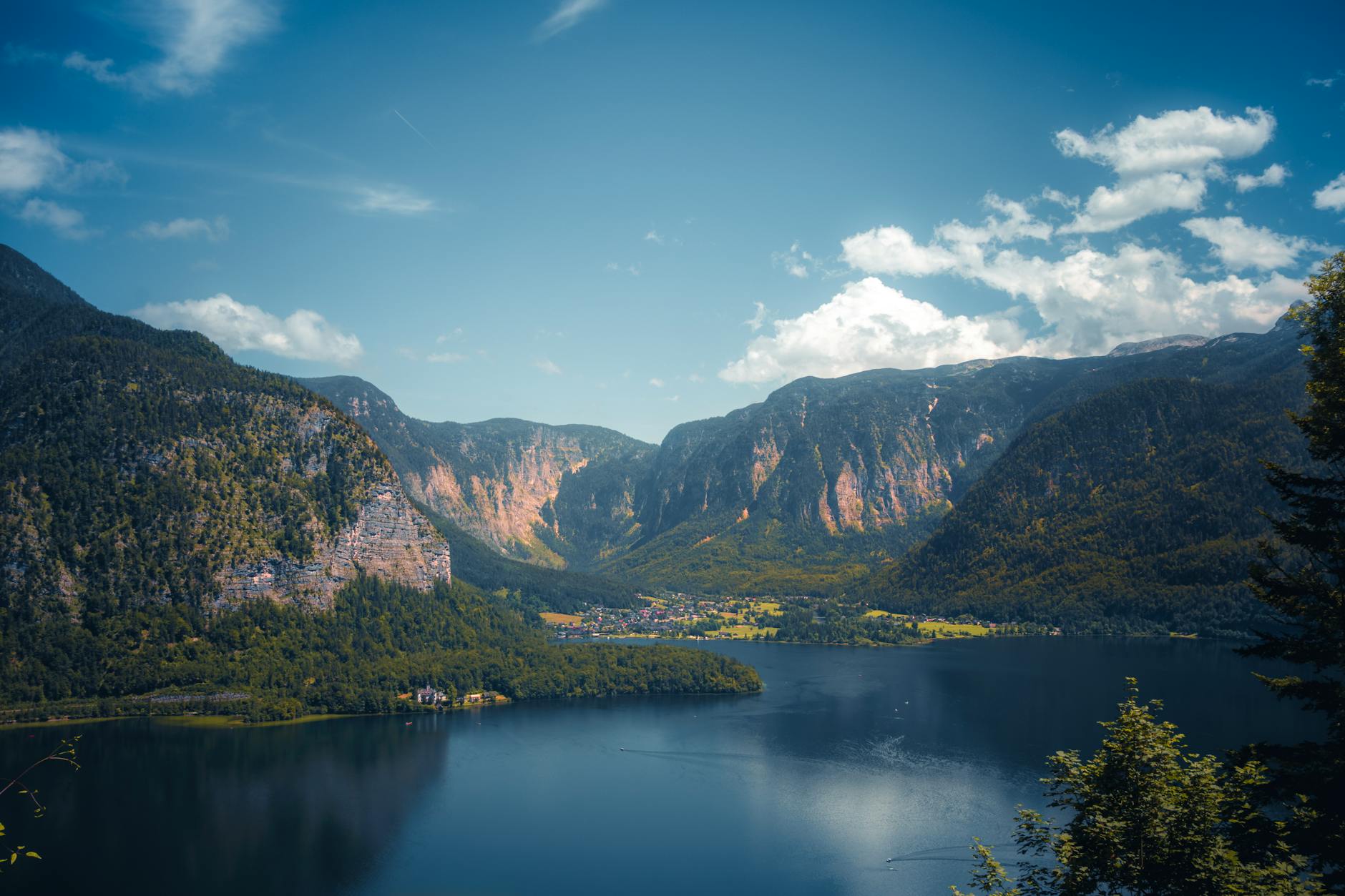
Upper Austria and the Salzkammergut surround Linz with a network of impossibly scenic lakes. This is where Hallstatt sits — arguably the most photographed village in Central Europe.
Tyrol and Vorarlberg to the west are the Alpine showpieces. Innsbruck anchors Tyrol, a region where skiing, hiking, and traditional Tirolean culture feel completely authentic rather than staged for tourists.
Which Cities Should You Visit?
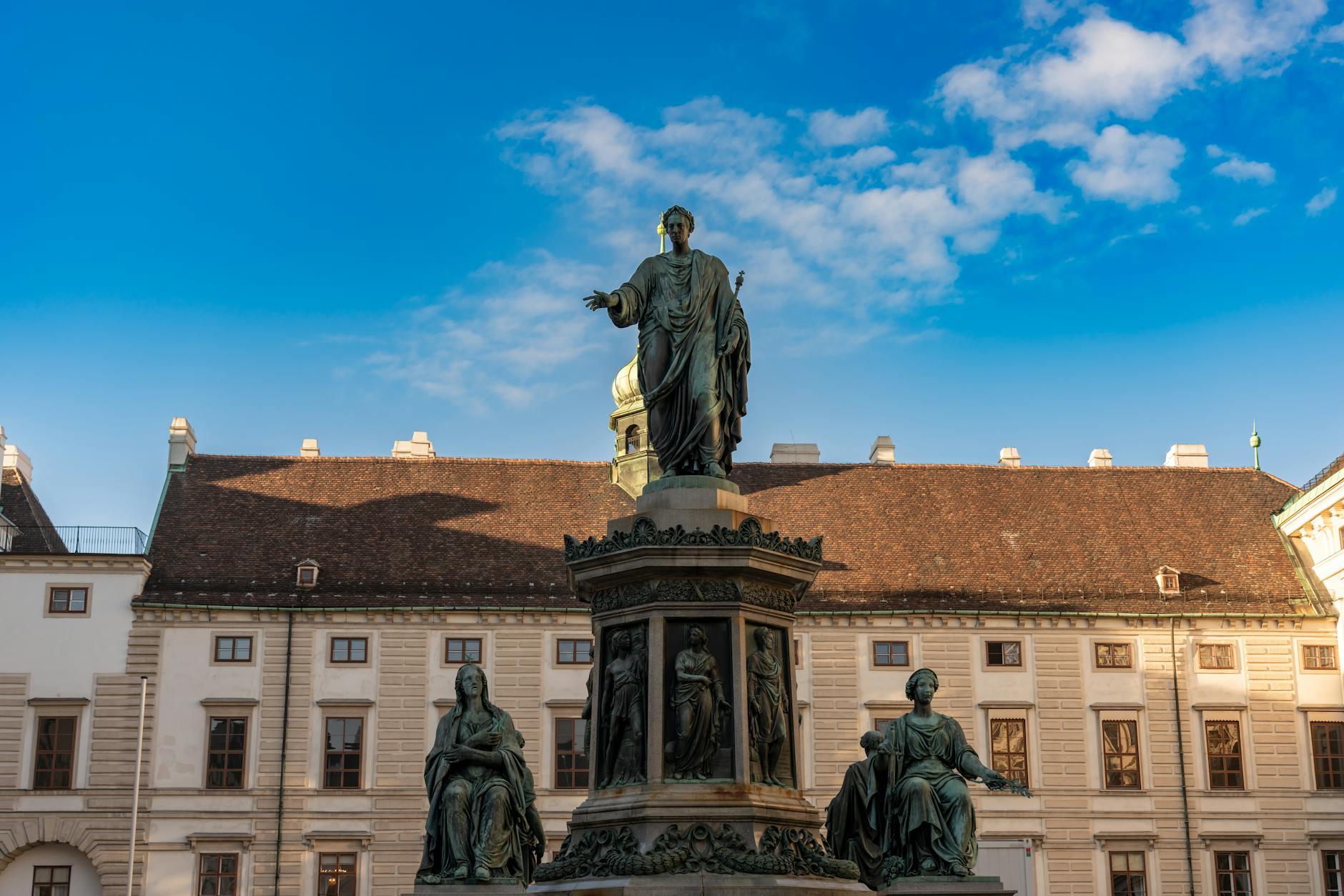
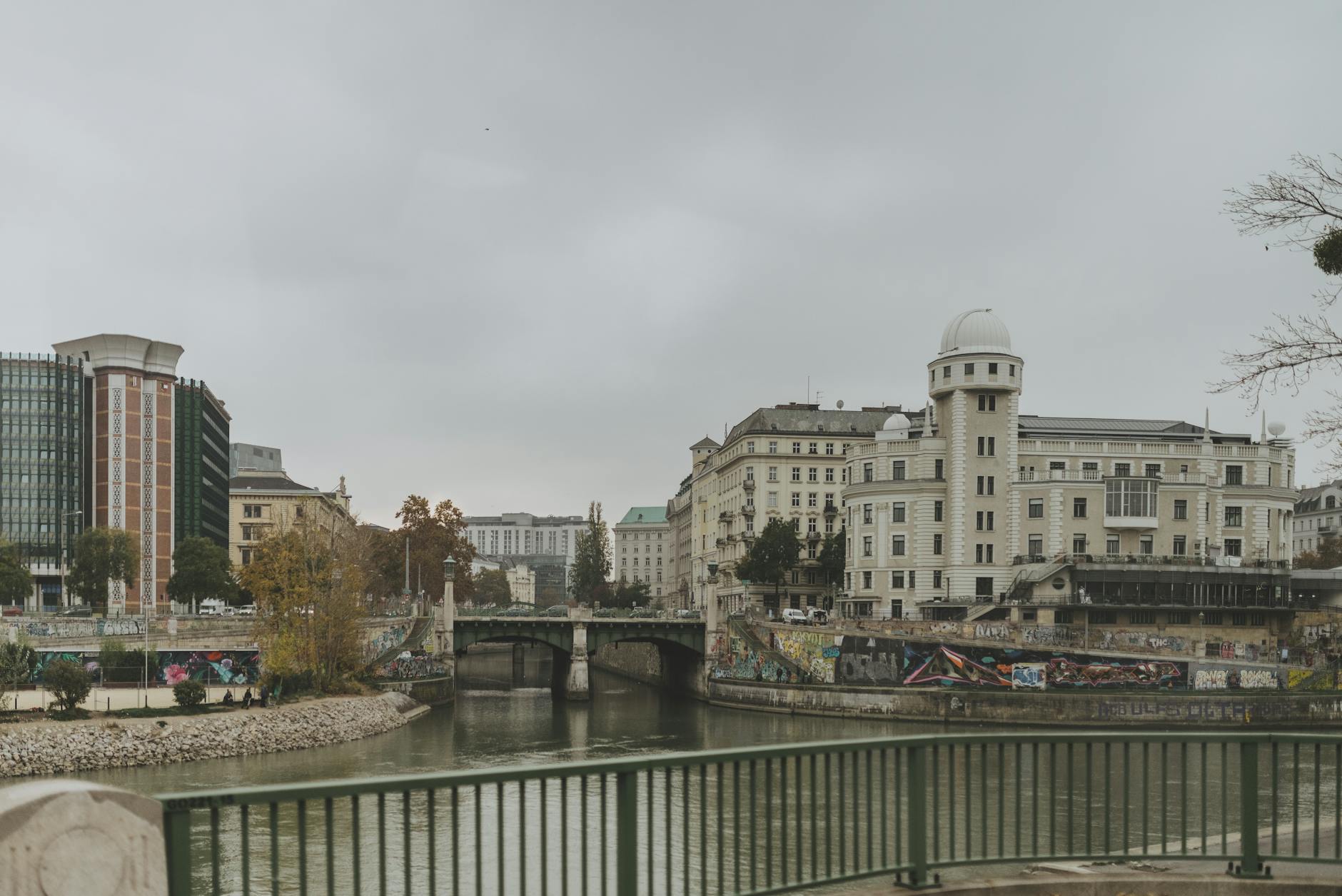
Vienna demands at least three to four days. Its imperial palaces, world-class museums, and café culture form a layer cake of history that never feels repetitive. The Ringstrasse alone can fill a morning.
Salzburg is more than Mozart and The Sound of Music. The Baroque old town, perched between the Salzach River and the Hohensalzburg Fortress, ranks among the most beautiful urban landscapes in Europe.
Graz rewards travelers who skip the obvious. Its Renaissance courtyards, contemporary Kunsthaus museum, and vibrant food market make it Austria's most livable — and most underestimated — city.
Innsbruck sits at the bottom of a mountain bowl, its golden roof glinting above medieval streets. Linz, meanwhile, has reinvented itself as Austria's city of contemporary art and digital culture.
Hallstatt is tiny — around 800 residents — but its lakeside setting and 7,000-year history of salt mining give it a weight that larger cities envy.
Culture, Traditions and Way of Life
Austrian culture moves at its own pace. The Gemütlichkeit — that untranslatable sense of warmth, coziness, and unhurried ease — is not a tourist brochure invention. It shows up in how long people linger over a Melange coffee.
The Viennese coffeehouse tradition is UNESCO-listed for good reason. These are places of conversation, newspaper reading, and hours-long presence — not fast caffeine stops.
Classical music is genuinely woven into daily life. Austria produced Mozart, Schubert, Haydn, and Brahms, and the concert calendar in Vienna and Salzburg runs year-round, not just during summer festivals.
Regional identity runs deep. Styrians, Tyroleans, and Viennese each have distinct dialects, food traditions, and attitudes. Traveling between regions feels like discovering different countries within the same borders.
Festivals structure the calendar. Fasching (carnival season), Easter markets, summer folk festivals, and the Advent markets that appear in every town square from late November — each season brings its own rituals.
Local guides recommend engaging with the market culture. The Naschmarkt in Vienna and the central market in Graz are places where daily Austrian life is most honestly on display.
Food: the Flavors of Austria
Austrian cuisine is hearty, precise, and deeply regional. It draws from Central European peasant cooking and Viennese imperial refinement — sometimes in the same dish.
Wiener Schnitzel is the national icon: thin veal, breadcrumbed and pan-fried in clarified butter until golden. Served correctly, it should slightly overhang the plate. Anything less is considered sloppy.
Beef features heavily. Tafelspitz — boiled prime beef with root vegetables, apple horseradish, and chive sauce — was Emperor Franz Joseph's preferred lunch and remains a Viennese staple worth the effort of finding a good version.
Styria brings its own flavors. Kürbiskernöl — cold-pressed pumpkin seed oil — gets drizzled over everything from salads to vanilla ice cream. The flavor is nutty, dark, and completely addictive.
Pastry culture reaches heights elsewhere in Europe but rarely the same depth. Apfelstrudel, Sachertorte, Kaiserschmarrn — these are not tourist confections. Locals eat them regularly, in dedicated Konditoreien (pastry shops) that treat baking as craft.
A full meal at a mid-range Viennese restaurant runs €25–€40 per person including wine. Local taverns called Gasthäuser serve lunch menus for as little as €10–€14.
Practical Information
Visa and Entry Requirements
Austria is a member of the Schengen Area. Citizens of EU and EEA countries enter freely with a valid national ID or passport. No visa required.
Travelers from the United States, Canada, Australia, and most other Western countries may enter visa-free for stays of up to 90 days within any 180-day period. Always verify current requirements before departure.
From 2025, non-EU visitors will need to register through the ETIAS system (European Travel Information and Authorization System) before traveling. The process is online and low-cost.
Budget and Cost of Living
Austria is a mid-to-high cost destination by European standards. Budget travelers can manage on €70–€90 per day using hostels, public transport, and supermarket lunches. Comfortable mid-range travel runs €150–€220 per day.
Vienna is the most expensive city. Graz and Linz are noticeably more affordable — hotel rooms average 20–30% less than equivalent Vienna options.
Museum passes and city cards save money for active sightseers. The Vienna City Card includes unlimited public transport and discounts at over 200 attractions — worth calculating against individual ticket prices.
Getting Around
Austria's rail network is exceptional. Austrian Federal Railways (ÖBB) connects all major cities with fast, punctual trains. The Vienna–Salzburg corridor takes under three hours.
Regional buses serve mountain areas where trains don't reach. Car rental becomes practical for exploring the Salzkammergut or Styrian wine roads at a relaxed pace.
Within cities, trams and U-Bahn systems are clean, frequent, and easy to navigate. Vienna's U-Bahn runs 24 hours on weekends — a genuine convenience travelers note appreciatively.
When to Visit Austria?
Austria has no bad season — only different ones. Each brings a distinct atmosphere that changes the character of the country significantly.
Summer (June to August) is peak season and peak beauty. Alpine hiking trails are fully open, lake temperatures reach swimming level, and outdoor festivals fill the calendar. Expect higher prices and advance booking requirements.
Winter (December to March) transforms Austria into one of Europe's premier ski destinations. The Alps host world-class resorts — St. Anton, Kitzbühel, Lech — alongside the magical Advent markets in every historic town center.
Spring and autumn are quietly excellent. April to May brings blossoming orchards in the Wachau Valley and uncrowded museums in Vienna. September and October deliver golden light, harvest festivals, and comfortable hiking temperatures.
Travelers note that late November through December — before the main ski season — combines the atmospheric Christmas markets with relatively affordable accommodation. The Salzburg and Vienna markets rank among the finest in Europe.
Whenever the visit falls, the country's compact size works in favor of flexible itineraries. Moving between lake district, mountain resort, and imperial capital is rarely more than two to three hours by train.
Frequently Asked Questions about Austria
Similar Destinations
Explore more destinations in the same region of the world.
Krakow
Krakow, Poland's medieval capital, draws travelers with the royal grandeur of Wawel Castle, the vast beauty…
DiscoverBudapest
Budapest, Hungary's grand capital, pairs the gilded halls of the Hungarian Parliament with steaming thermal…
DiscoverPrague
Prague, Czech Republic, casts Gothic spires, Baroque domes and riverside views around Charles Bridge, with…
Discover