Sydney

Everything about Sydney
What city lets you watch a sunrise swim, cross a steel giant, and hear opera beside one of the world’s great harbors in the same day? Visiting Sydney turns distance into spectacle.
The city has a bright, salt-air confidence: ferries cut across blue water, sandstone headlands glow at dusk, and neighborhoods shift from surf culture to polished dining within minutes.
This guide focuses on the classic Sydney experiences, plus the practical details that help a trip feel smooth: seasons, transport, budget, food, and the best ways to enjoy the harbor.
Why visit Sydney?
Sydney is Australia’s most instantly recognizable city, but it feels better in motion than in postcards. The harbor changes by the hour, from silver morning light to deep evening blue.
Travelers come for the Sydney Opera House and Harbour Bridge, then stay longer for beaches, coastal walks, markets, museums, and food that reflects the Pacific Rim.
What makes Sydney unique
The natural drama of Sydney Harbour gives the city its rare setting. Headlands, coves, islands, ferries, and waterfront parks create a landscape where sightseeing rarely feels static.
Few cities combine high-rise energy with surf beaches so naturally. A morning can start at Bondi, continue through leafy Paddington, and end with dinner beside Circular Quay.
The cultural mix is another draw. Sydney’s dining scene carries strong Greek, Lebanese, Vietnamese, Chinese, Italian, and modern Australian influences, all shaped by fresh seafood and produce.
Sydney at a glance
Sydney sits in New South Wales, on Australia’s southeast coast in Océanie. Greater Sydney has more than 5 million residents, making it the country’s largest metropolitan area.
The budget level is moderate ($$), though waterfront dining, peak-season hotels, and major experiences can raise costs quickly. Good public transport helps balance the bill.
The best travel periods are September to November and March to May. These shoulder seasons bring mild weather, manageable crowds, and light that suits beaches, ferries, and coastal walks.
What to see and do in Sydney?
Sydney rewards both planners and wanderers. Book timed experiences like BridgeClimb early, then leave space for ferry rides, beach walks, neighborhood cafés, and sunset viewpoints.
For a first visit, base at least one day around the harbor and another along the coast. The contrast explains why the city stays vivid in traveler memories.
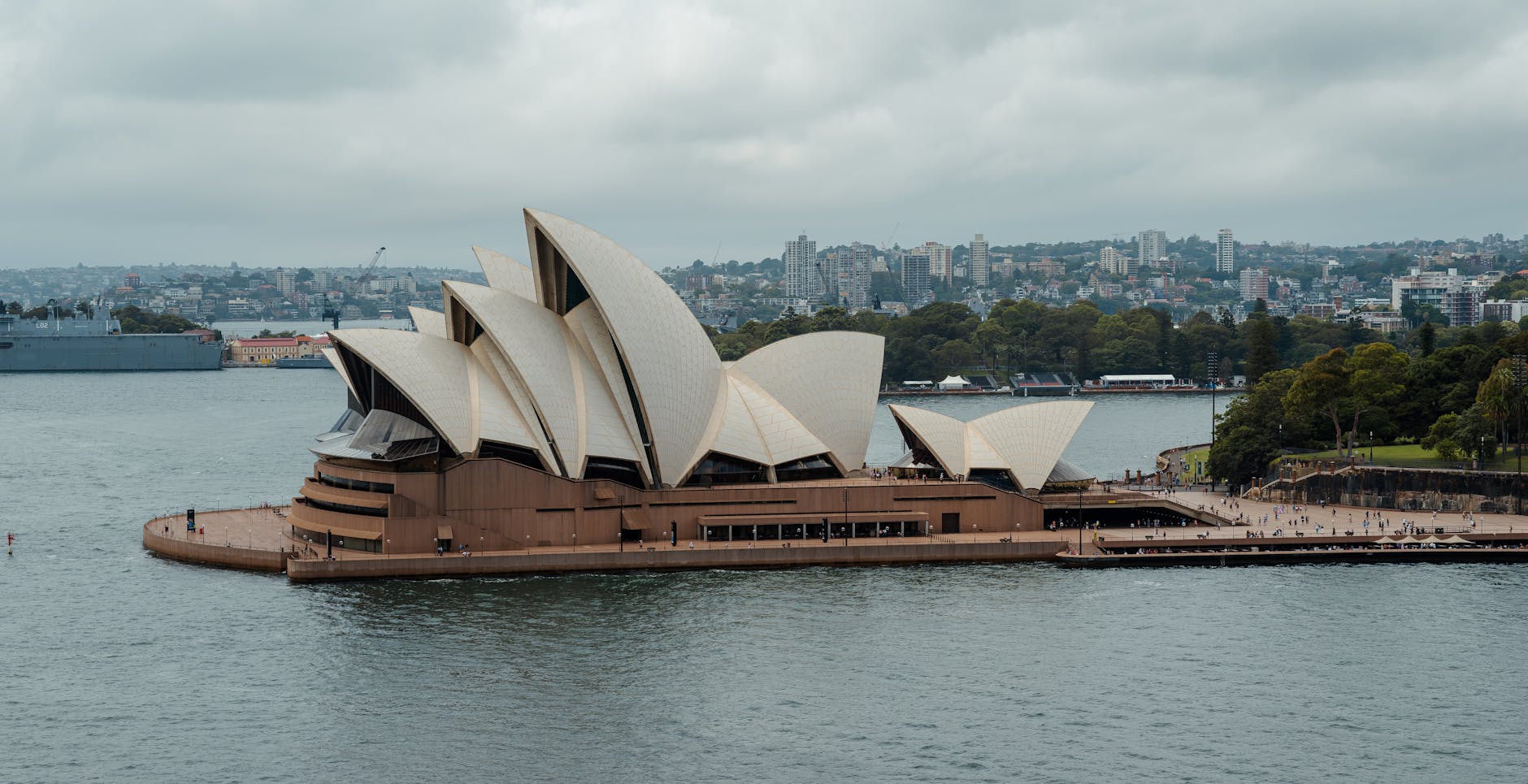
Sydney Opera House (UNESCO)
The Sydney Opera House is not just a photo stop. It is a working performance venue with multiple halls, guided tours, harborfront restaurants, and a sculptural presence that changes with the light.
Designed by Danish architect Jørn Utzon, it opened in 1973 and became a UNESCO World Heritage Site in 2007. Its roof shells are covered with more than 1 million ceramic tiles.
Visitor reviews confirm that the best experience often combines two views: close-up from the forecourt, then from across the water at Mrs Macquarie’s Chair or on a Manly ferry.
If time allows, attend a concert, theatre performance, or backstage tour. Evening arrivals are especially atmospheric, when the sails brighten against the darkening harbor.
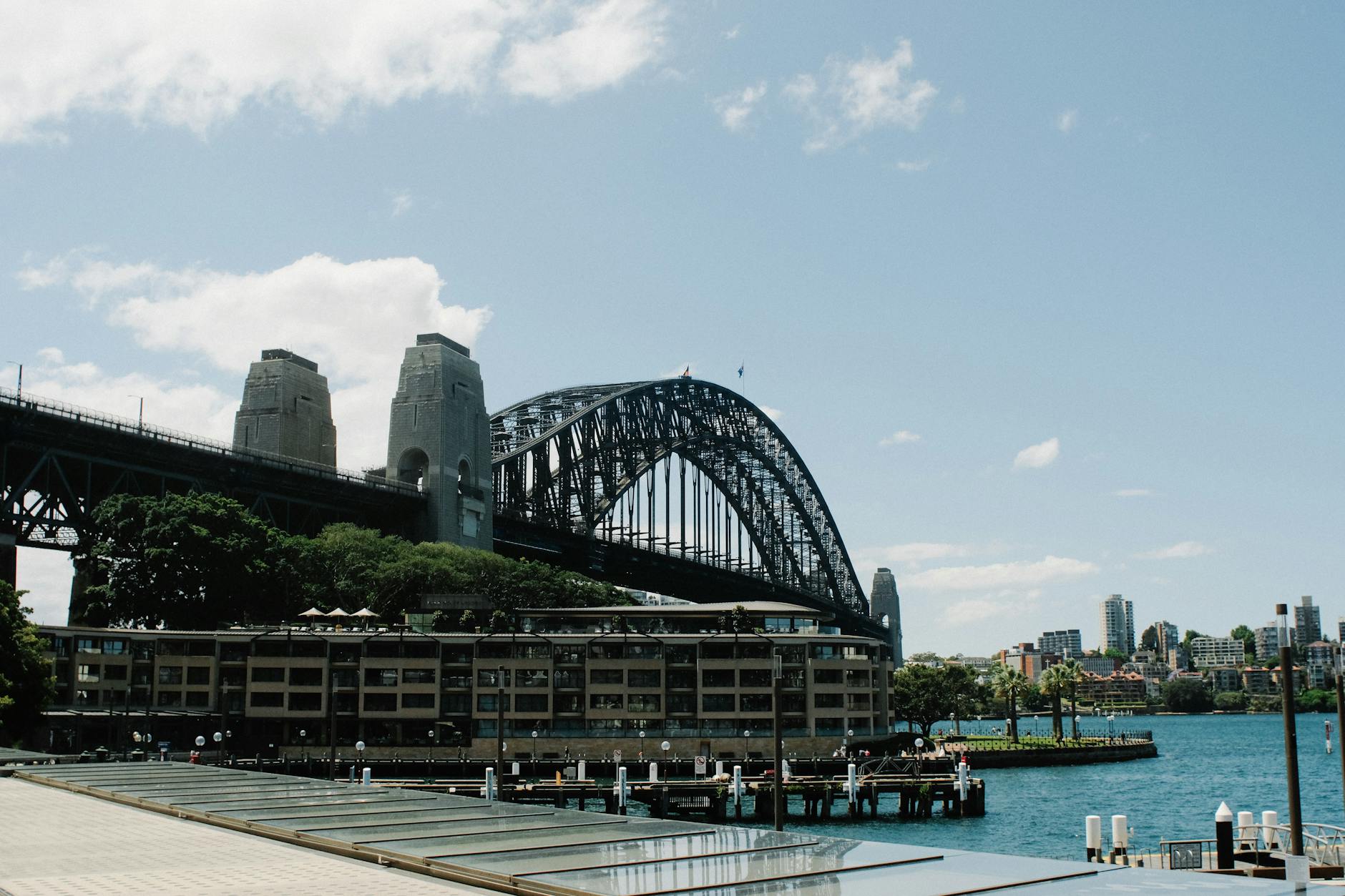
Harbour Bridge (BridgeClimb)
The Sydney Harbour Bridge dominates the city skyline with a muscular elegance locals call “the Coathanger.” It links the central business district with the North Shore across Port Jackson.
The bridge opened in 1932 and remains one of the world’s great steel arch bridges. Its arch reaches about 134 meters above the harbor, giving wide views toward the Opera House.
BridgeClimb is the signature paid experience, taking participants up the arch with safety gear and guides. Local guides recommend booking sunrise, twilight, or night climbs for the most memorable light.
There is also a cheaper way to enjoy the bridge. Walk the pedestrian path from The Rocks to Milsons Point, then visit the Pylon Lookout for strong views and history exhibits.
Bondi Beach
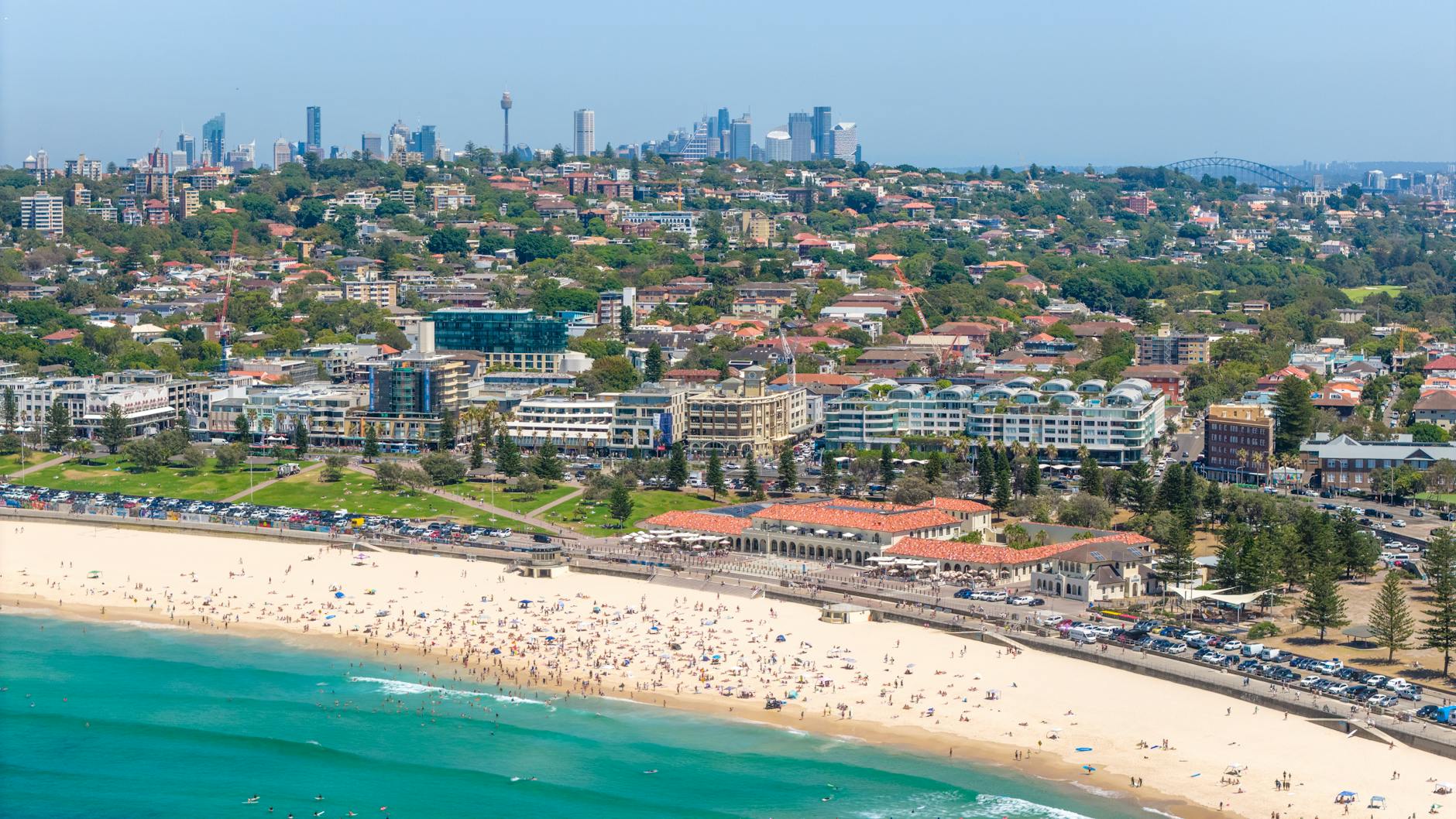
The broad curve of Bondi Beach brings Sydney’s surf identity into full view. Golden sand, rolling waves, lifeguard towers, and a busy promenade make it lively from early morning.
Swimmers should stay between the red and yellow flags, as rips can be strong. The Bondi lifeguards are famous for good reason, and beach safety signs deserve attention.
The Bondi to Coogee Coastal Walk is one of the city’s best free activities. It passes cliffs, rock pools, beaches, ocean baths, and spring wildflowers across roughly 6 kilometers.
For food, head to Hall Street, Campbell Parade, or nearby North Bondi. Expect brunch plates, fish and chips, gelato, fresh juices, and casual places where sandy feet are normal.
Taronga Zoo
Taronga Zoo on the harbor’s north shore combines wildlife encounters with one of Sydney’s most photogenic settings. Giraffes with the skyline behind them are a classic Sydney image.
The zoo is home to more than 4,000 animals, including Australian species such as koalas, kangaroos, echidnas, platypus, and Tasmanian devils. Keeper talks add context beyond quick viewing.
Arriving by ferry from Circular Quay is part of the fun. The short crossing gives views of the Opera House, Harbour Bridge, and bays before the cable-free entrance route begins.
Families should allow at least half a day. Travelers note that early arrival helps with cooler temperatures, active animals, and easier movement around the sloping grounds.
Food & local cuisine in Sydney
Sydney eats with the sea close by. Menus lean into oysters, prawns, snapper, tuna, crab, and fish and chips, but the city’s cooking goes far beyond beach food.
The seafood at Sydney Fish Market is a good starting point for casual dining. Go early for fresher displays, fewer crowds, and a better chance at a harbor-side seat.
Modern Australian cuisine appears in restaurants that mix native ingredients, Asian techniques, Mediterranean flavors, and careful produce sourcing. Look for finger lime, wattleseed, macadamia, barramundi, and lamb on seasonal menus.
The city’s multicultural neighborhoods deepen the food map. Cabramatta is known for Vietnamese cooking, Harris Park for Indian restaurants, Leichhardt for Italian dining, and Marrickville for Vietnamese, Greek, and bakery stops.
Café culture is strong across Surry Hills, Newtown, Potts Point, and Bondi. Breakfast might mean avocado toast, ricotta hotcakes, excellent coffee, or a bacon and egg roll after a swim.
For a special meal, waterfront restaurants around Circular Quay, Barangaroo, and Woolloomooloo pair city views with polished service. Prices rise there, so book ahead and check menus before committing.
Local guides recommend balancing one splurge meal with market snacks, bakery runs, and neighborhood restaurants away from the main harborfront.
Getting to Sydney and getting around
Sydney is straightforward to reach, though long-haul travelers should plan for time-zone adjustment. Once in the city, public transport, ferries, walking routes, and ride-hailing cover most visitor needs.
Getting there
Sydney Kingsford Smith Airport sits about 8 kilometers south of the city center. It handles domestic and international flights, with direct links to Asia, North America, the Middle East, and New Zealand.
The Airport Link train reaches Central Station in around 13 minutes, then continues toward Circular Quay, Town Hall, and other central stops. Taxis and rideshares are useful for late arrivals or heavy luggage.
Travelers connecting within Australia often fly from Melbourne, Brisbane, Adelaide, Perth, or Cairns. Trains and coaches exist, but distances are long and better suited to slow itineraries.
Getting around
The Opal transport network covers trains, buses, light rail, and ferries. Contactless bank cards also work on most services, making short stays simple.
Ferries are more than transport in Sydney. Routes to Manly, Watsons Bay, and Taronga Zoo double as scenic harbor cruises at regular commuter prices.
Walking is best within compact areas such as The Rocks, Circular Quay, Darling Harbour, Surry Hills, and Bondi’s beachfront. For hills, late nights, or beach transfers, rideshares save time.
Budget & practical tips
Sydney is not a bargain city, but careful choices keep costs reasonable. The biggest expenses are accommodation, dining in prime locations, and paid attractions with limited capacity.
Book accommodation early for weekends, school holidays, major concerts, and summer beach periods. Areas such as Surry Hills, Darlinghurst, Potts Point, and Newtown can give better value than Circular Quay.
Pack layers even in warm months. Sea breezes, sudden showers, and air-conditioned interiors can surprise visitors, while strong sun means sunscreen, sunglasses, and a hat are wise year-round.
How much to budget for Sydney
For a moderate trip, expect roughly AUD 180 to 280 per person per day, excluding long-haul flights. This covers mid-range lodging shares, casual meals, transport, and one paid sight.
Budget travelers can reduce costs with hostels, supermarket breakfasts, public ferries, free coastal walks, and museum visits. Big-ticket experiences like BridgeClimb can cost several hundred Australian dollars.
Restaurant prices vary widely. A café breakfast may cost AUD 18 to 30, while a casual dinner often sits around AUD 25 to 45 before drinks.
Best time to visit: September to November and March to May
The best time to visit Sydney is during spring and autumn, from September to November and March to May. Temperatures are comfortable, gardens look good, and beach days are still possible.
Summer, from December to February, brings heat, crowds, higher room rates, and a festive atmosphere. It suits beach-focused trips, but popular places can feel busy.
Winter is mild compared with many destinations, with cool evenings and fewer visitors. It works well for museums, dining, harbor walks, whale-watching season, and lower hotel rates.
Frequently Asked Questions about Sydney
Similar Destinations
Copenhagen
Copenhagen, Denmark's vibrant capital, pairs the candy-colored facades of Nyhavn with the magic of Tivoli…
DiscoverTaipei
Taipei, Taiwan's electric capital, draws travelers with iconic landmarks like Taipei 101, the dazzling Shilin…
DiscoverMedina
In Medina, Saudi Arabia, lantern-lit courtyards lead to the Prophet's Mosque (Al-Masjid an-Nabawi) and the…
Discover