Explore Australia
1 destination to discover
Everything about Australia
Traveling to Australia means stepping into a continent-sized country where red desert meets tropical reef, and ancient Aboriginal culture sits alongside one of the world's most relaxed urban lifestyles.
Few destinations pack this much geographic variety into a single nation — from the sun-scorched Outback to the lush Daintree Rainforest, the contrast is permanent and stunning.
At 7.7 million square kilometers and home to roughly 26 million people, Australia rewards travelers who come prepared and stay curious.
Why Travel to Australia?
What Sets Australia Apart from Other Destinations
Australia is the only country that is also an entire continent. That fact alone changes everything — the scale, the emptiness, the extraordinary biodiversity.
Nowhere else on Earth can you swim the Great Barrier Reef in the morning, stand beneath a billion stars in the Outback that same evening, and walk a cosmopolitan food market the next day.
The wildlife is famously unlike anywhere else: kangaroos, quokkas, cassowaries, and saltwater crocodiles exist here and essentially nowhere else in the wild.
Australia at a Glance
Australia spans six states and two major territories, with a population concentrated almost entirely along the eastern and southeastern coastlines.
The Australian dollar (AUD) is the national currency. English is the official language, and the country follows left-hand traffic driving rules inherited from British tradition.
Time zones vary across the continent — sometimes by half-hour increments — so planning cross-country travel requires attention to logistics most travelers underestimate.
Regions and Cities to Explore
The Main Regions of Australia
The Australian Outback dominates the interior — an immense, arid landscape that covers roughly 70% of the landmass yet holds fewer than 3% of the population.
The tropical north, including the Top End around Darwin and the Far North Queensland coast near Cairns, operates on wet and dry seasons rather than the four seasons familiar to most visitors.
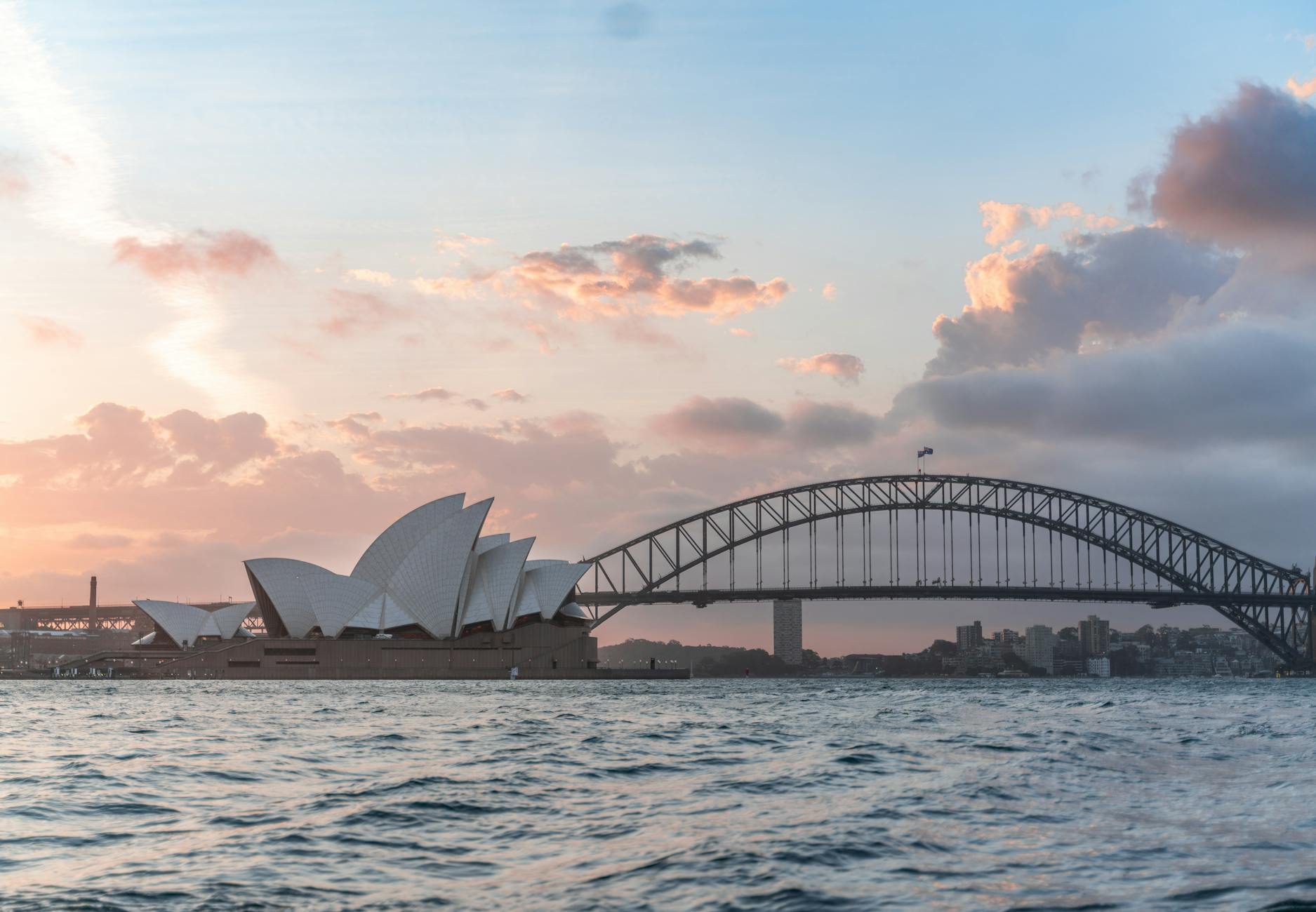
The southeastern states — New South Wales, Victoria, and South Australia — cluster the majority of cultural life, from Sydney's harbor to Melbourne's laneways to Adelaide's wine country.
Western Australia is a destination unto itself: the Kimberley region near Broome features dramatic gorges, ancient Bungle Bungle formations, and some of the most remote coastline on the planet.
Which Cities Should You Visit?
Adelaide punches above its weight. With a population of around 1.4 million, it anchors South Australia's renowned wine regions — the Barossa Valley and McLaren Vale sit less than an hour away.
Alice Springs, population 25,000, serves as the gateway to Uluru and the Red Centre. It's a raw, honest town rather than a polished tourist hub, and that authenticity is exactly the point.
Brisbane has transformed dramatically in recent decades. Queensland's capital of 2.5 million is warm year-round, relaxed in tempo, and positioned perfectly for day trips to the Gold Coast and the Sunshine Coast.
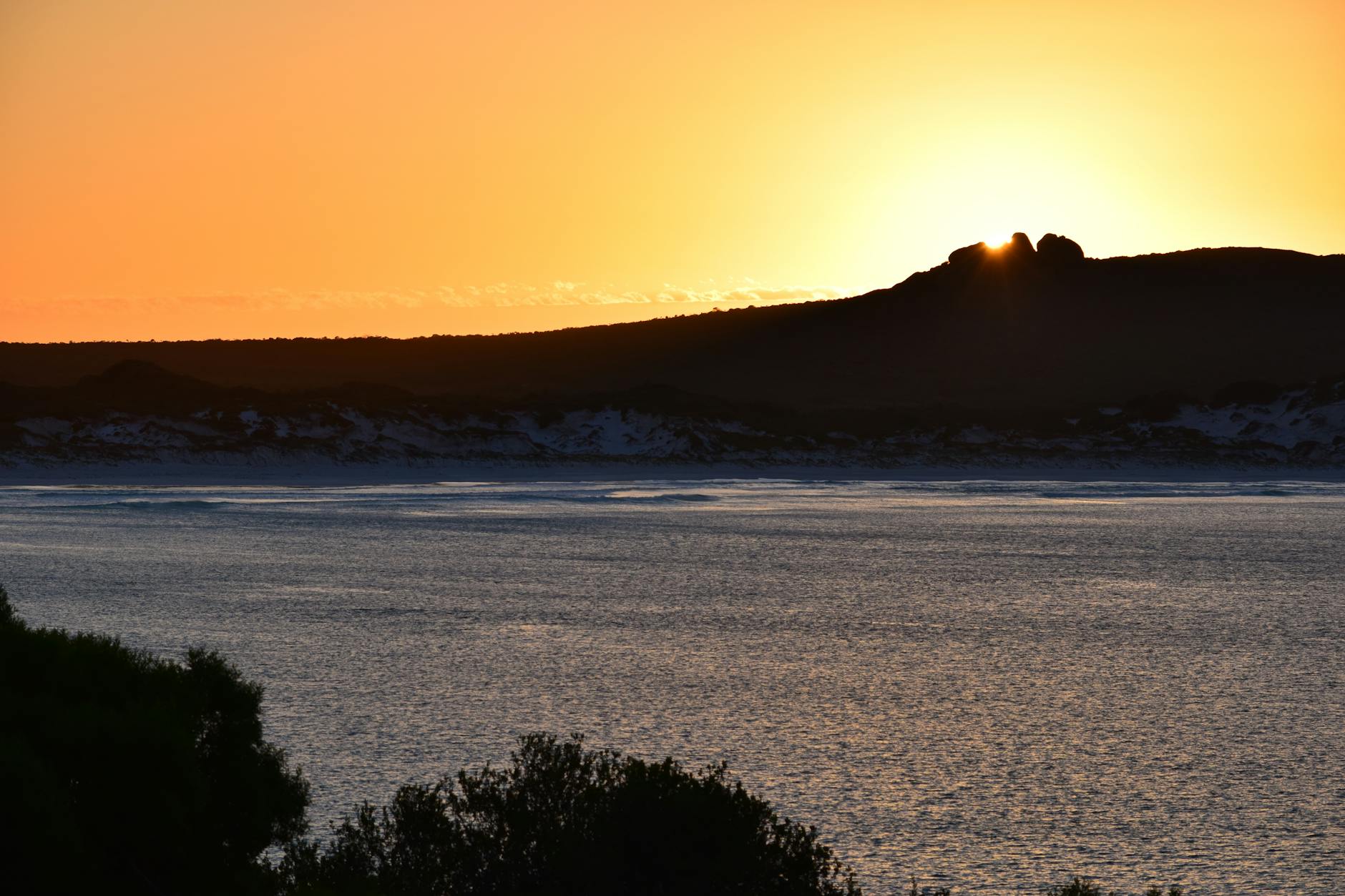
Broome is where the Indian Ocean meets the red pindan cliffs of the Kimberley. Cable Beach, 22 kilometers of white sand, is frequently cited by visitor reviews as one of Australia's finest coastal stretches.
Cairns is the undisputed base for the Great Barrier Reef, the world's largest coral system at over 2,300 kilometers long. The surrounding rainforest means the natural spectacle extends both above and below water.
Darwin, Australia's most northerly capital, carries a frontier energy that feels nothing like the southern cities. Markets, multiculturalism, and the nearby Kakadu National Park make it more than just a transit point.
Culture, Traditions and Way of Life
Australian culture resists easy summary. It blends British colonial heritage with decades of Asian and Mediterranean immigration, layered over the world's oldest continuous living cultures.
Aboriginal and Torres Strait Islander peoples have inhabited this continent for at least 65,000 years. Their traditions, songlines, and art are not folklore — they are living, evolving expressions of identity.
Local guides strongly recommend engaging with Indigenous culture through accredited operators who are community-owned. The difference in depth and respect compared to generic tours is significant.
Australians are famously direct and egalitarian in social interaction. Formality is sparse; humor runs dry and self-deprecating. Visitors who match that tone tend to connect far more naturally with locals.
ANZAC Day on April 25th carries profound national weight — the dawn service commemorations across the country draw enormous crowds and display a side of Australian identity that surprises many first-time visitors.
Sport is deeply woven into daily life. Cricket, Australian rules football, rugby league, and surfing are not hobbies here — they are genuine cultural touchstones that shape conversations, calendars, and community life.
Food: the Flavors of Australia
Australian cuisine has no single defining dish, which is precisely what makes it interesting. It draws freely from Southeast Asian, Mediterranean, Middle Eastern, and Pacific traditions.
Breakfast culture is particularly strong. Specialty coffee and brunch are treated with near-religious seriousness in Australian cities — Melbourne is widely credited with shaping the flat white's global rise.
Seafood is exceptional in coastal areas. Moreton Bay bugs, Barramundi, and Sydney rock oysters appear regularly on menus and at fish markets where travelers can eat extraordinarily well at modest prices.
In the Northern Territory and Outback regions, bush tucker — traditional Indigenous ingredients like wattleseed, quandong, lemon myrtle, and kangaroo — is increasingly appearing on restaurant menus and food tours.
Farmers markets in Adelaide, Brisbane, and regional towns showcase local producers with genuine pride. A Saturday morning spent at the Adelaide Central Market, Australia's largest undercover market, is time extremely well spent.
Wine regions are tied closely to the food experience. The Barossa, Clare Valley, and Margaret River produce internationally respected wines that pair naturally with any serious food itinerary across the country.
Practical Information
Visa and Entry Requirements
Most international visitors to Australia require a visa before arrival. The Electronic Travel Authority (ETA), available via the official Australian Government app, covers citizens of around 30 eligible countries for short stays up to 90 days.
Citizens of the UK, USA, Canada, and most EU countries can apply for an ETA or eVisitor visa online. Processing is typically fast — often within minutes — though applicants should allow 72 hours before travel.
Biosecurity regulations at Australian borders are strict. Declaring food, plant material, and certain goods is mandatory, and penalties for non-declaration are substantial.
Budget and Cost of Living
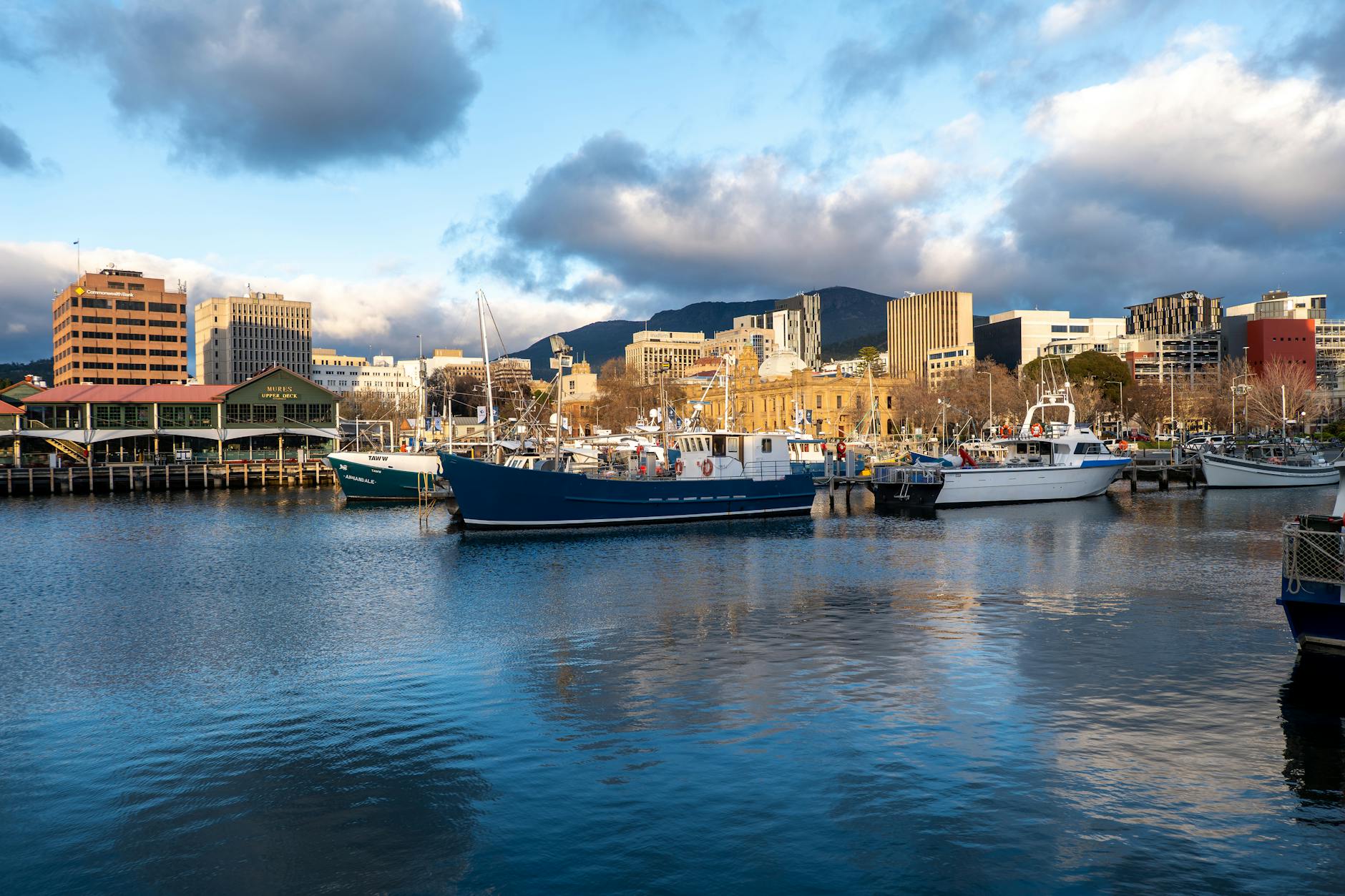
Australia is not a budget destination. Travelers should budget roughly AUD $150–$250 per day for mid-range travel, covering accommodation, meals, local transport, and one or two activities.
Accommodation in major cities averages AUD $120–$200 per night for a mid-range hotel. Hostels in cities like Brisbane and Cairns run AUD $30–$50 for a dorm bed.
Domestic flights are frequently the most practical way to cover large distances, and booking three to four weeks ahead can yield significant savings on routes between major cities.
Getting Around
Distances in Australia are genuinely vast — the drive from Sydney to Perth covers over 4,000 kilometers. Domestic flights on carriers like Qantas, Virgin Australia, and Jetstar are the practical backbone of long-distance travel.
Renting a car or campervan unlocks access to regions that public transport simply cannot reach. The Great Ocean Road, the Red Centre, and the Kimberley are all best experienced on your own schedule, at your own pace.
Within cities, public transport is reliable in Sydney, Melbourne, and Brisbane. Elsewhere, a car is genuinely useful.
When to Visit Australia?
The ideal time to visit Australia depends entirely on which part of the continent you plan to explore. Australia's size means climate varies dramatically by region.
June to August is the best window for the tropical north — Darwin, Kakadu, and the Kimberley. The dry season brings clear skies, accessible roads, and manageable temperatures around 25–30°C.
The same months are winter in the south, meaning cooler temperatures in Melbourne and Adelaide — perfectly comfortable for city exploration, with lows around 8–12°C and a strong calendar of cultural events.
September to November is spring across southern Australia. Wildflowers blanket Western Australia, crowds are thinner than peak summer, and the weather along the east coast is warm without being extreme.
The summer months of December to February bring heat and bushfire risk to southern inland areas, and cyclone season to the tropical north. Coastal Queensland remains popular but humid.
Travelers targeting the Great Barrier Reef find the water clearest and conditions calmest between June and October, when visibility can extend beyond 20 meters in ideal conditions.