
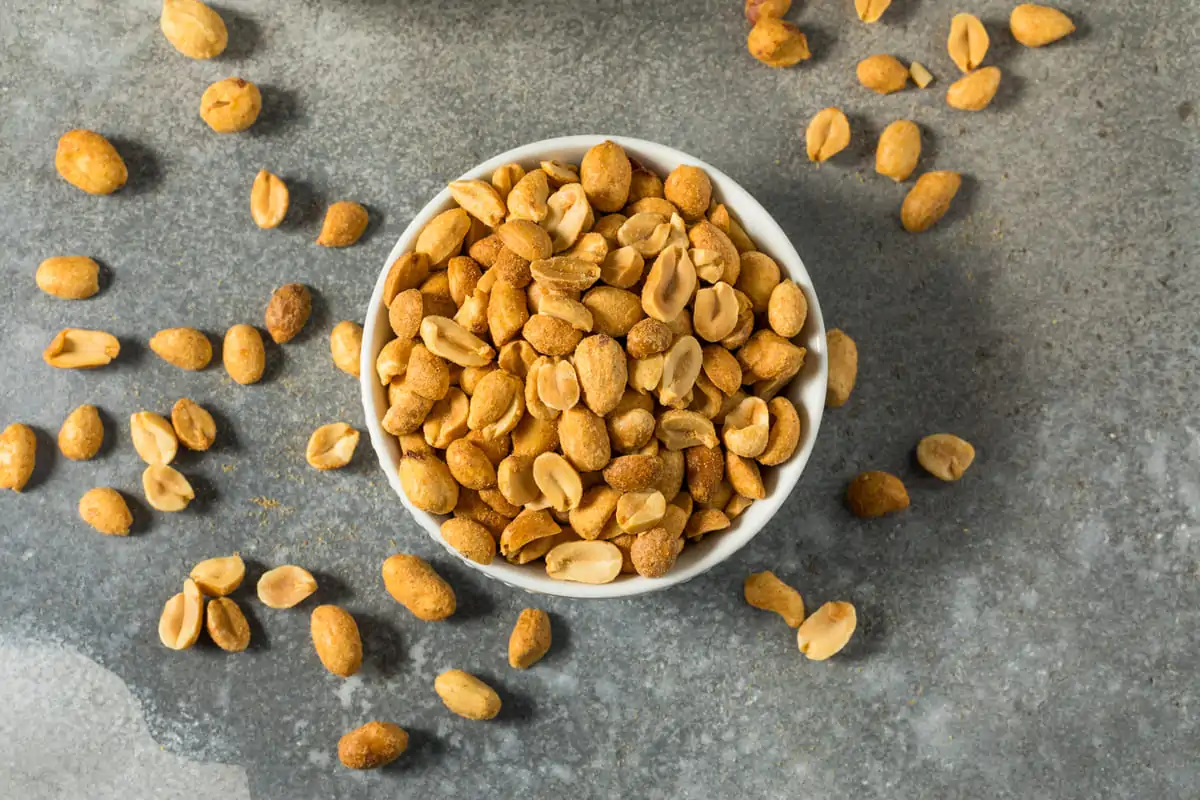
Peanuts are a snack that we all love, but is it really a good idea to snack on them in the evening?
Many people ask this question, especially when trying to watch their figure.
So, is there really a risk that small handful of peanuts before bed will turn into extra pounds?
Eating peanuts in the evening does not automatically make you gain weight; it all depends on the quantity consumed and your overall daily calorie intake.
The caloric content of peanuts
Peanuts are well known for their relatively high calorie density. One hundred grams of peanuts provide approximately 567 calories.
This rich composition is mainly due to the fats they contain. But not all fats are created equal, here's why.
Peanuts contain what are called "good fats," that is, unsaturated fats that are beneficial for cardiovascular health.
Unlike saturated and trans fats, these good fats help lower bad cholesterol and may even help prevent certain chronic diseases. That said, excessive consumption, especially in the evening, could indeed lead to unwanted weight gain.
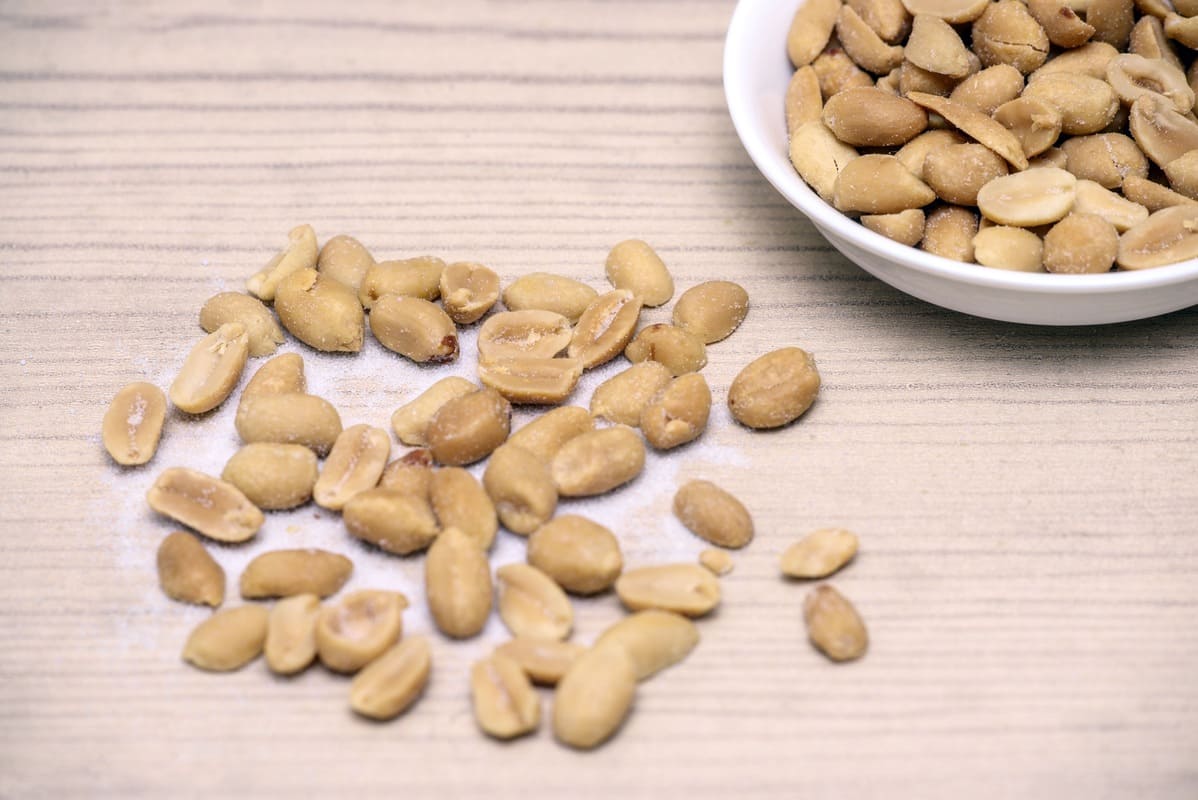
The impact of fats on nighttime metabolism
The human body never stops functioning, even during sleep. However, metabolism slows down at night, making it more difficult to digest certain high-fat foods.
Consuming high-calorie, high-fat foods before sleeping may therefore explain an accumulation of body fat.
Eating peanuts in the evening carries a double risk: on the one hand, excess calories may not be burned as efficiently; on the other hand, ingested fats may be quickly stored.
Even though the fats present in peanuts are mostly unsaturated fats, their impact remains significant in terms of caloric intake.
Proteins and their health benefits
In addition to their high fat content, peanuts are an excellent source of protein!
Proteins promote muscle building, tissue repair, and the production of enzymes and hormones.
Therefore, including peanuts in one's diet can have considerable health benefits.
Someone who regularly engages in intense physical activity will need more protein compared to a sedentary person.
Eating peanuts in the evening can provide an extra dose of protein needed for muscle recovery, but this must be balanced with other daily food intake to avoid calorie overload.
Peanut butter: an alternative?
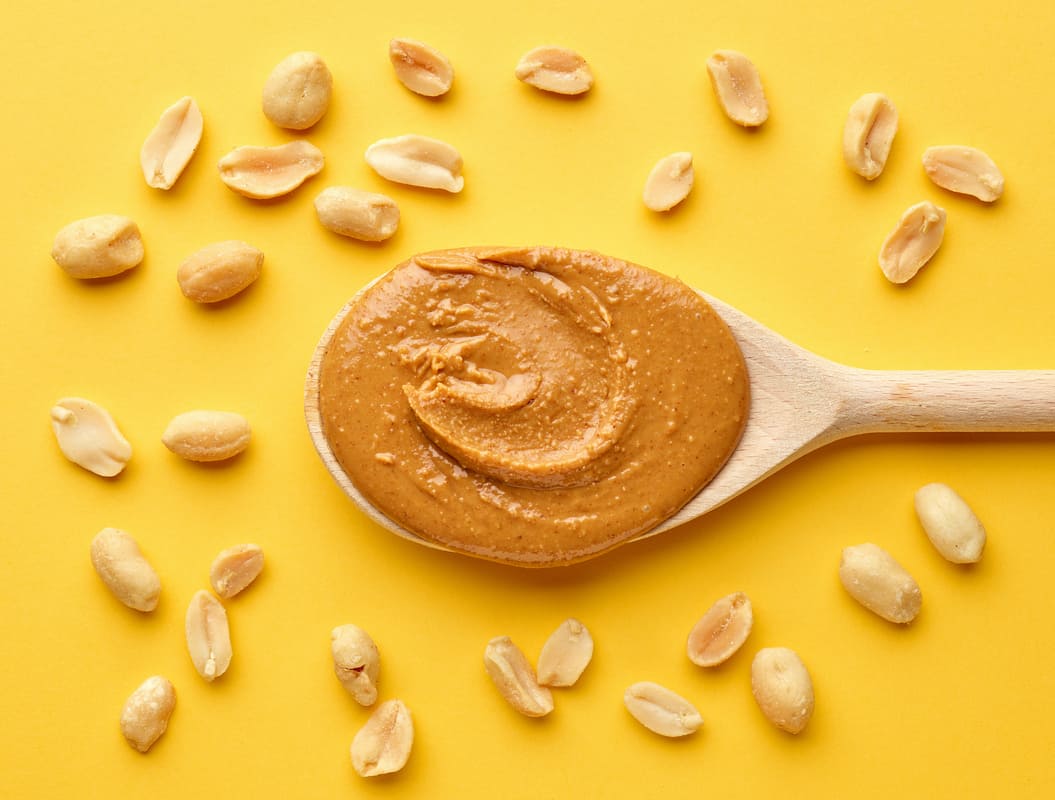
Although it's rich in protein and can be a satisfying snack, it's very high in calories and fat. As with whole peanuts, consuming peanut butter in the evening should be done in moderation to avoid excessive calorie intake.
However, incorporating peanut butter into balanced meals or combining it with fresh fruit for varied nutritional intake can promote good overall health without necessarily leading to weight gain.
The influence of regularity and quantity
Eating peanuts occasionally in the evening won't do any harm, especially if the day has been active and the calorie remains stable.
But making this habit a routine can pose problems in the long term, especially if daily physical activity is low.
Excessive consumption of any high-calorie food , including peanuts, without proportional calorie expenditure will inevitably lead to weight gain .
Practical tips for healthy eating
For those who like to snack on peanuts in the evening, here are some tips to limit the risk of weight gain :
- Limit the portion to a handful (approximately 28 grams), which corresponds to approximately 160 calories.
- Opt for unsalted and unsweetened peanuts to avoid adding unnecessary sodium and sugars.
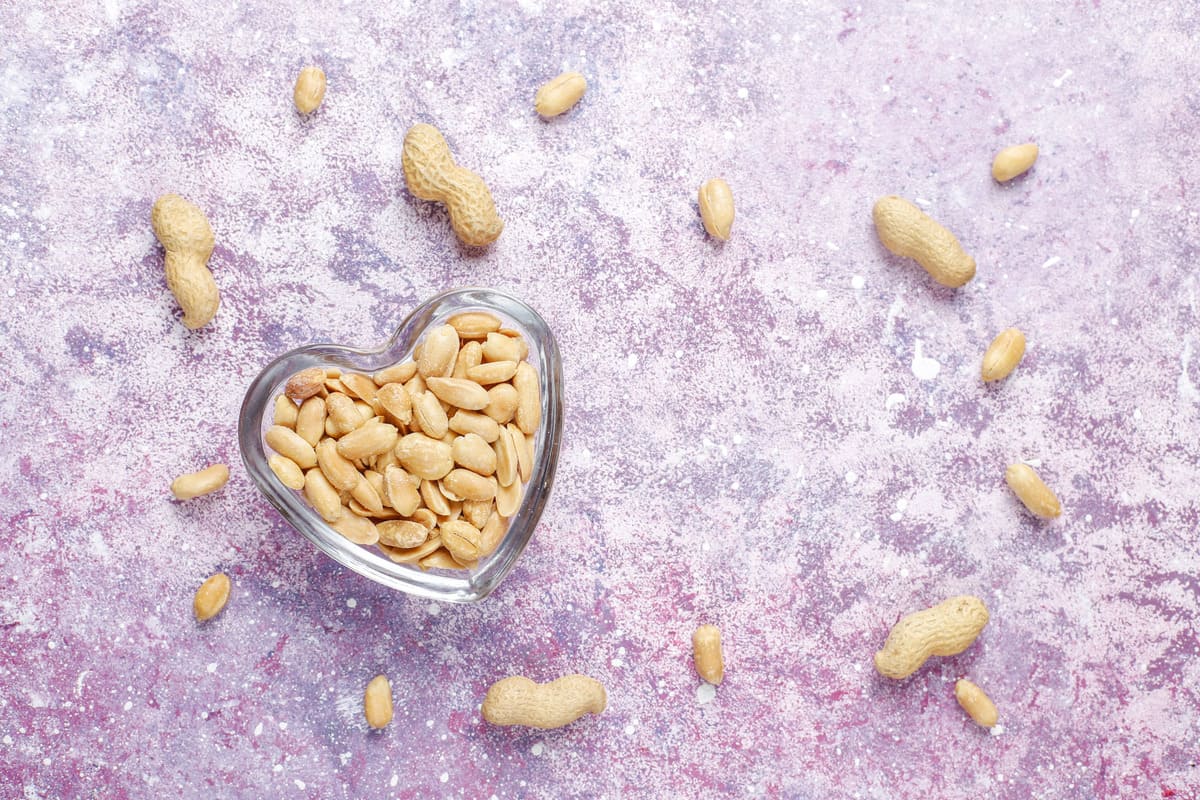
- Take the peanuts out of their shells: this slows down the rate of consumption and allows for better control of the quantities ingested.
Analysis of satiety and appetite
Thanks to their protein and fat, they can help reduce nighttime cravings by providing a lasting feeling of fullness.
As a result, they can avoid more harmful snacks such as cookies or sweets, which are generally higher in simple sugars and lower in nutrients.
Although peanuts are high in calories, they can have a positive impact when thoughtfully incorporated into an overall weight loss or appetite management.
Mindful consumption and eating habits
Eating slowly, appreciating each bite and listening to your hunger and satiety signals often helps to avoid overeating.
Rather than mindlessly consuming in front of the television or a computer, taking the time to savor this snack mindfully can profoundly change the eating experience.
In this way, it becomes easier to stop when you are satisfied rather than finishing a large bowl without paying attention.
Weight gain is the result of small, cumulative habits, and making minor but significant adjustments can make a big difference.
The secret always lies in variety, moderation, and awareness of one's daily food choices.