Explore South Korea
1 destination to discover
Everything about South Korea
Traveling to South Korea means stepping into a country where ancient palaces stand minutes from neon-lit street food alleys, and where every region carries its own distinct rhythm.
Few destinations pack this much contrast into such a compact space — Buddhist temples tucked into forested mountains, volcanic coastlines, and cities that pulse around the clock.
South Korea rewards curious travelers who look beyond K-pop and kimchi, with history, landscapes, and a culture that feels both fiercely traditional and relentlessly forward-moving.
Why travel to South Korea?
What sets South Korea apart from other destinations
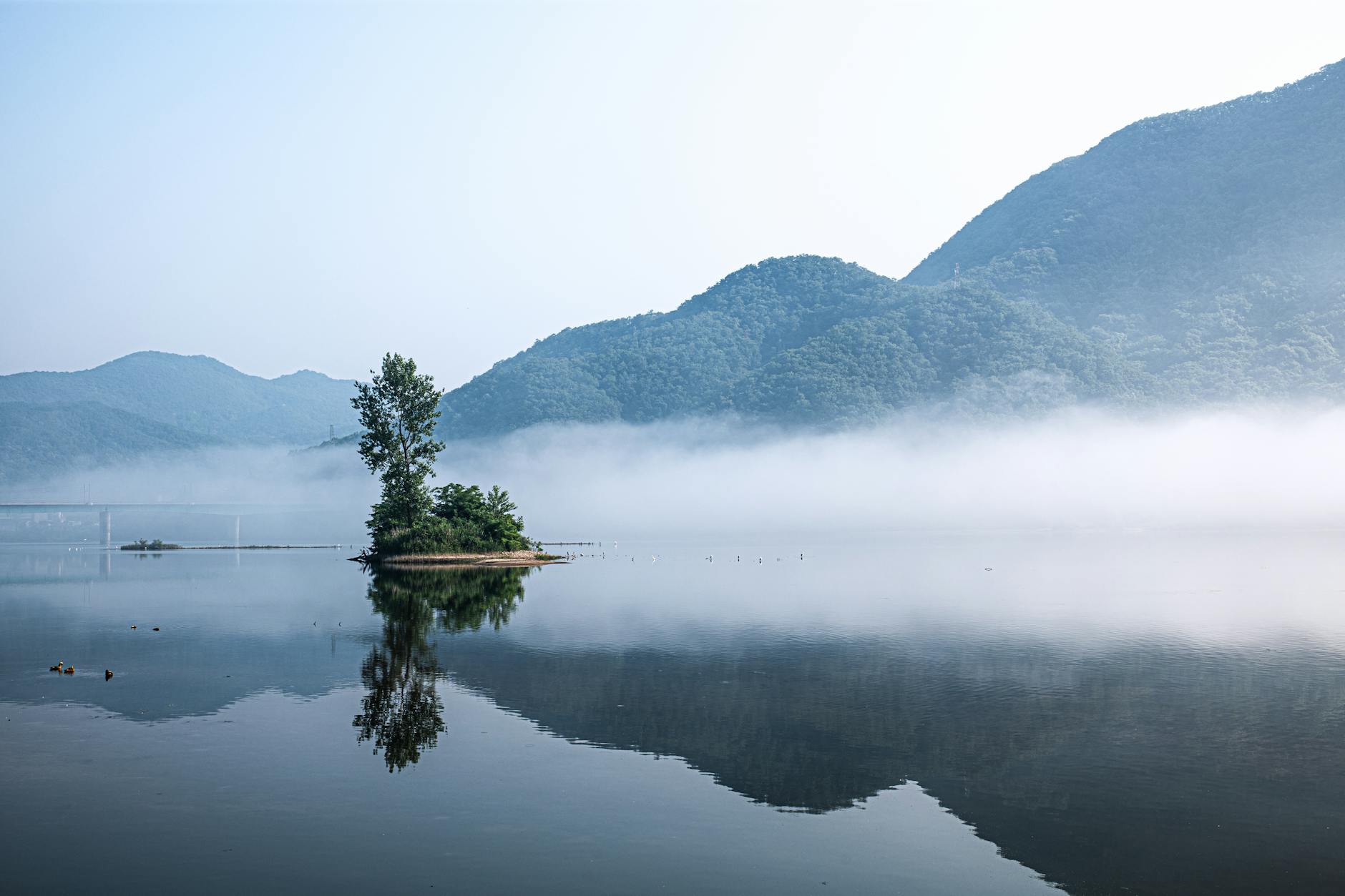
South Korea sits on a peninsula roughly the size of Portugal, yet manages to contain extraordinary geographic and cultural variety. Mountains cover nearly 70% of its land area.
The country has compressed centuries of transformation into a few decades. The speed of change here is visible everywhere — from UNESCO-listed heritage sites to some of the world's fastest internet connections.
Visitor reviews consistently highlight one thing: the hospitality. Koreans take pride in making guests feel genuinely welcome, not just tolerated.
South Korea at a glance
South Korea covers approximately 100,000 square kilometers and is home to around 52 million people. Seoul alone accounts for nearly 10 million residents.
The currency is the South Korean Won (KRW). Exchange rates typically sit around 1,300–1,400 KRW to the US dollar, making rough mental math straightforward for most travelers.
The country shares borders with North Korea to the north and is surrounded by the Yellow Sea, the Korea Strait, and the East Sea. Incheon International Airport serves as the main international gateway.
Regions and cities to explore
The main regions of South Korea
Gangwon Province, in the northeast, is where Koreans head for skiing in winter and hiking in summer. Seoraksan National Park draws hikers from across Asia for its dramatic granite peaks.
The Gyeongsang region in the southeast holds some of the peninsula's oldest heritage. Centuries-old Confucian academies, royal tombs, and traditional villages dot the landscape here.
Jeju Island, a short flight south of the mainland, feels like a different country entirely — volcanic craters, lava tube caves, and citrus groves define its scenery.
The central Chungcheong region and the southwestern Jeolla area are often overlooked by first-time visitors. Local guides recommend both for authentic food, slower-paced travel, and some of the country's finest ceramics traditions.
Which cities should you visit?
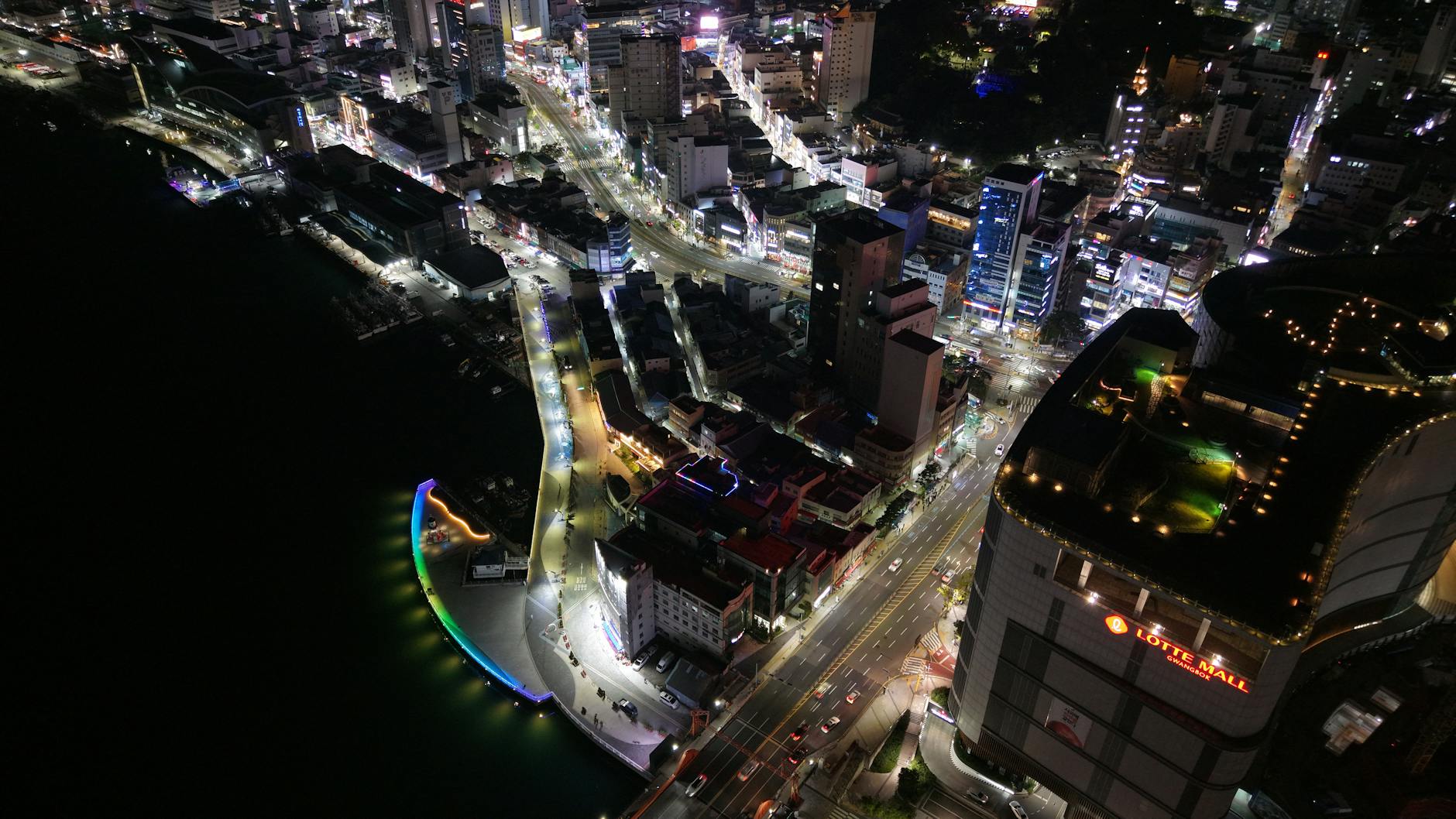
Busan is South Korea's second city, a port town of about 3.4 million people where mountains, beaches, and seafood markets collide in chaotic, exhilarating fashion.
Busan Haeundae deserves its own mention — its broad urban beach backed by skyscrapers creates one of Asia's most cinematic coastal settings, especially at dusk.
Gyeongju is sometimes called Korea's open-air museum. The former capital of the Silla Kingdom is scattered with burial mounds, stone pagodas, and a historic district that rewards slow wandering.
Andong is the spiritual home of Korean Confucian culture. The Hahoe Folk Village here, a UNESCO World Heritage Site, preserves the architecture and daily rhythms of traditional aristocratic life.
Incheon, beyond its airport, has a surprisingly layered personality — a Chinatown dating to the late 19th century, waterfront districts, and a growing arts scene make it worth a half-day stop.
Culture, traditions and way of life
Korean culture is built around a deep sense of collective identity. Confucian values — respect for elders, emphasis on education, and strong family ties — still shape everyday interactions in visible ways.
The concept of "nunchi" — an unspoken awareness of others' emotions and social situations — governs much of Korean communication. Travelers who pick up on this dynamic find social interactions much more rewarding.
Bowing is the standard greeting. A slight nod works for casual encounters; a deeper bow signals genuine respect, particularly toward older Koreans.
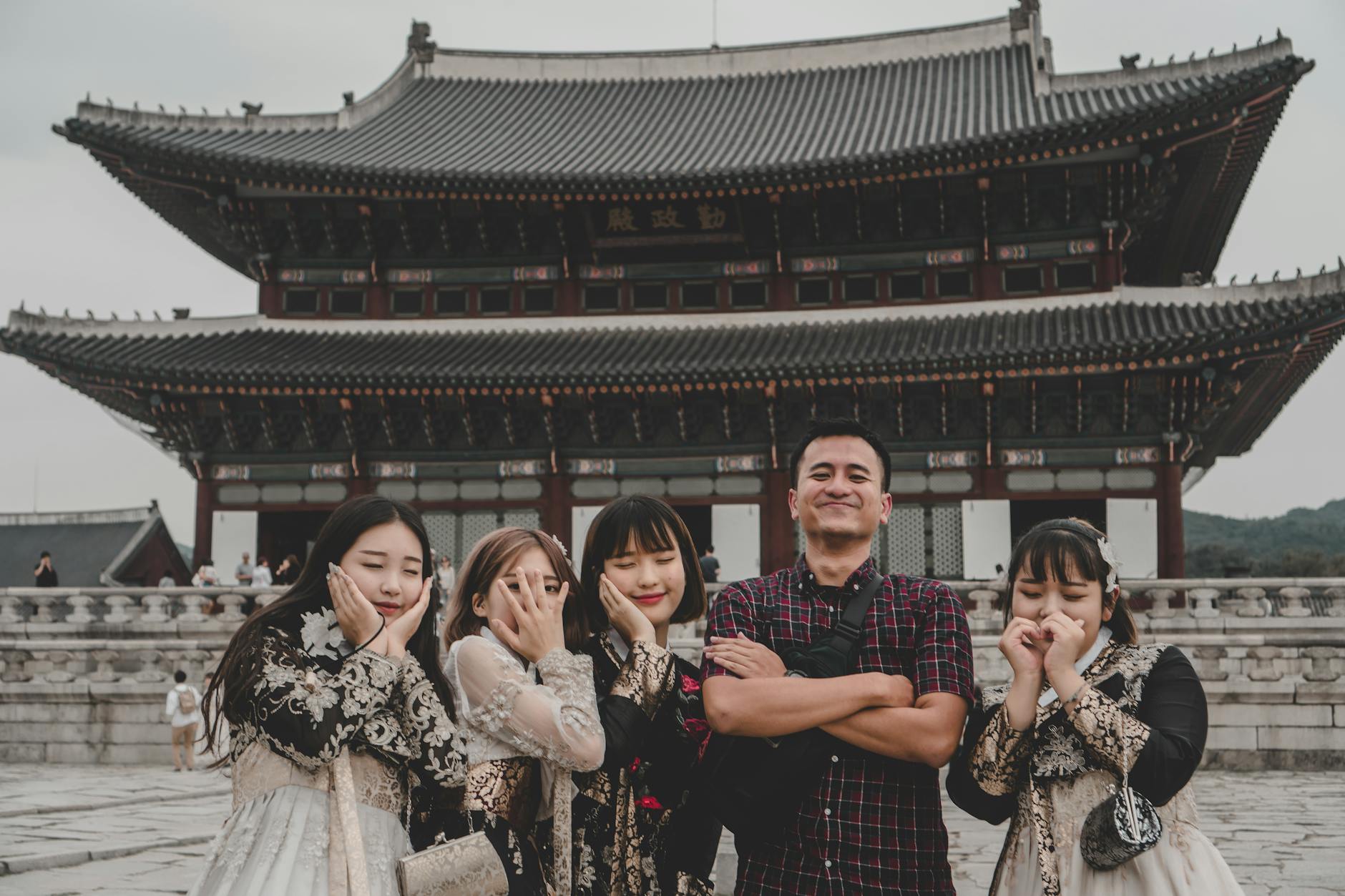
Traditional dress, the hanbok, reappears at festivals, weddings, and palace visits. Many palaces allow free entry to visitors who rent and wear a hanbok — a popular and not-at-all-tacky tradition, according to traveler reviews.
Korea's festival calendar is dense and varied. Chuseok, the autumn harvest festival, brings the country to a near-standstill as families travel to their ancestral hometowns.
The jjimjilbang — a Korean bathhouse and sauna — is cultural immersion at its most accessible. These communal spaces stay open 24 hours and cost as little as 10,000–15,000 KRW for an evening.
Food: the flavors of South Korea
Korean cuisine is built on fermentation, fire, and balance. The fundamental flavor trio — salty, spicy, and slightly sweet — runs through almost every dish, from street snacks to formal temple food.
Kimchi is everywhere, served as a side dish at virtually every meal. Over 200 regional varieties exist, each with different vegetables, spice levels, and fermentation times.
Korean BBQ is as much a social ritual as a meal. Diners grill marinated meat at the table, wrapping bites in sesame leaves with garlic and chili paste.
Street food markets deserve serious attention. Gwangjang Market in Seoul and the Jagalchi seafood market in Busan give an unfiltered look at Korean eating culture.
Travelers note that eating alone carries no stigma here. Honbap — solo dining — is so normalized that many restaurants have single-seat counters facing the kitchen.
Budget well for food adventures. A satisfying bowl of sundubu-jjigae (soft tofu stew) or bibimbap at a local restaurant typically costs between 7,000 and 12,000 KRW — roughly five to nine US dollars.
Practical information
Visa and entry requirements
Citizens of over 100 countries can enter South Korea visa-free for stays ranging from 30 to 90 days. The K-ETA (Korea Electronic Travel Authorization) was temporarily suspended for many nationalities but has since been reintroduced — always check current requirements before booking.
Passports must be valid for the duration of the stay. Entry through Incheon International Airport is smooth, with fast-track immigration lanes available for visitors from certain countries.
Travelers should register their stay at their accommodation within 24 hours of arrival — hotels handle this automatically, but those staying with locals or in private rentals are responsible for self-registration.
Budget and cost of living
South Korea spans a wide budget range. A daily budget of around 80,000–120,000 KRW (roughly 60–90 USD) covers a guesthouse, local meals, and transport for frugal travelers.
Mid-range travelers spending 200,000–300,000 KRW per day gain access to comfortable hotels, restaurant dining, and occasional taxis. Luxury hotels in Seoul and Busan start at around 200,000 KRW per night and scale up steeply.
Local transport, convenience store meals, and public museum entry are genuinely affordable. Where costs climb is in alcohol, taxis after midnight, and anything targeting tourists in the main districts.
Getting around
The KTX high-speed rail network connects Seoul to Busan in under two and a half hours. It is punctual, comfortable, and far less stressful than driving.
City metro systems in Seoul, Busan, and Incheon are extensive and extremely cheap. A T-money card, loaded with credit, works across buses, subways, and even some taxis nationwide.
Intercity buses fill gaps where trains don't reach. Renting a car makes sense for rural Gangwon or exploring the Gyeongju countryside at your own pace.
When to visit South Korea?
South Korea has four distinct seasons, and each brings something genuinely different to a trip. Spring (April–May) is consistently named the best time to visit, when cherry blossoms transform city parks and temple grounds into pink-canopied landscapes.
Autumn (September–November) runs a close second. The foliage across mountain regions like Gangwon turns deep red and gold, and the air is crisp without being cold.
Summer (June–August) brings heat, humidity, and the monsoon season from late June through July. The beaches at Busan Haeundae pack out, and the energy is electric — though accommodation prices surge accordingly.
Winter (December–February) is cold, often dropping below freezing in Seoul, but it reveals a quieter, more atmospheric Korea. The ski resorts in Gangwon draw domestic crowds, while heritage sites like Gyeongju and Andong feel almost untouched.
Avoid traveling during Chuseok and Lunar New Year if possible. These national holidays see transportation fully booked weeks in advance and many businesses closed for several days.
Frequently Asked Questions about South Korea
Similar Destinations
Explore more destinations in the same region of the world.
Shanghai
Shanghai, China's most electrifying metropolis, stacks a century of colonial grandeur along the Bund against…
DiscoverBeijing
Beijing, China layers imperial drama and living street life, from the Forbidden City’s vermilion gates to…
DiscoverTokyo
Tokyo, Japan hits fast: Shibuya Crossing surges with crowds, Sensō-ji Temple anchors old Asakusa, and…
Discover