Explore Singapore
1 destination to discover
Everything about Singapore
Traveling to Singapore means stepping into one of the most concentrated mixtures of cultures, flavors, and ambition on the planet. This city-state packs more into 733 square kilometers than many countries manage across thousands.
Gleaming skyscrapers reflect in rain-filled streets lined with century-old shophouses. The contrast never feels forced — it simply exists, unapologetically.
Visiting Singapore rewards curious travelers who look beyond the postcard images. The depth here is real, layered, and genuinely surprising at every turn.
Why travel to Singapore?
What sets Singapore apart from other destinations
Singapore sits at the crossroads of Southeast Asia, functioning simultaneously as a global financial hub and a living archive of Chinese, Malay, Indian, and colonial heritage. No single identity dominates.
With a population of roughly 5.9 million people in an area smaller than most major cities, the density of experience is extraordinary. World-class museums, hawker centers serving $3 meals, and some of Asia's best rooftop bars coexist within walking distance.
Traveler reviews consistently highlight how safe, clean, and navigable the city feels — a genuine rarity in a region where many destinations require significant adaptation.
Singapore at a glance
Singapore's official languages include English, Mandarin, Malay, and Tamil, making communication unusually straightforward for English-speaking visitors. The currency is the Singapore Dollar (SGD), trading at approximately 0.74 USD as of 2024.
The island nation sits just 137 kilometers north of the equator, guaranteeing warm, humid weather year-round with temperatures averaging 27–31°C. Changi Airport, consistently ranked the world's best, connects Singapore to over 100 countries.
GDP per capita exceeds $65,000 USD, placing Singapore among the wealthiest nations globally — context that explains both its remarkable infrastructure and its premium price points.
Regions and cities to explore
The main regions of Singapore
Singapore divides broadly into five main regions: Central, North, North-East, East, and West. Each carries its own character, and seasoned visitors recommend spending time across at least three of them.
The Central Region contains most headline attractions — Marina Bay, Chinatown, Little India, Kampong Glam, and Orchard Road all fall within its boundaries. This is where Singapore's cosmopolitan identity is most visible.
The East Region runs along the coastline toward Changi, home to quieter residential neighborhoods, East Coast Park, and some of the island's best seafood. Local guides describe it as the "real Singapore" — less polished, more lived-in.
The North Region surprises visitors with green spaces, including the Central Catchment Nature Reserve, which covers over 3,000 hectares of secondary rainforest. Wildlife sightings here — monitor lizards, macaques, hornbills — feel genuinely wild.
The West and North-East regions reward exploration with heritage trails, local wet markets, and neighborhoods like Jurong and Punggol that see very few tourists but reveal authentic community life.
Which cities should you visit?
Singapore functions as a single city-state with no secondary cities in the traditional sense, but its distinct urban districts behave like separate destinations with their own atmospheres and rhythms.
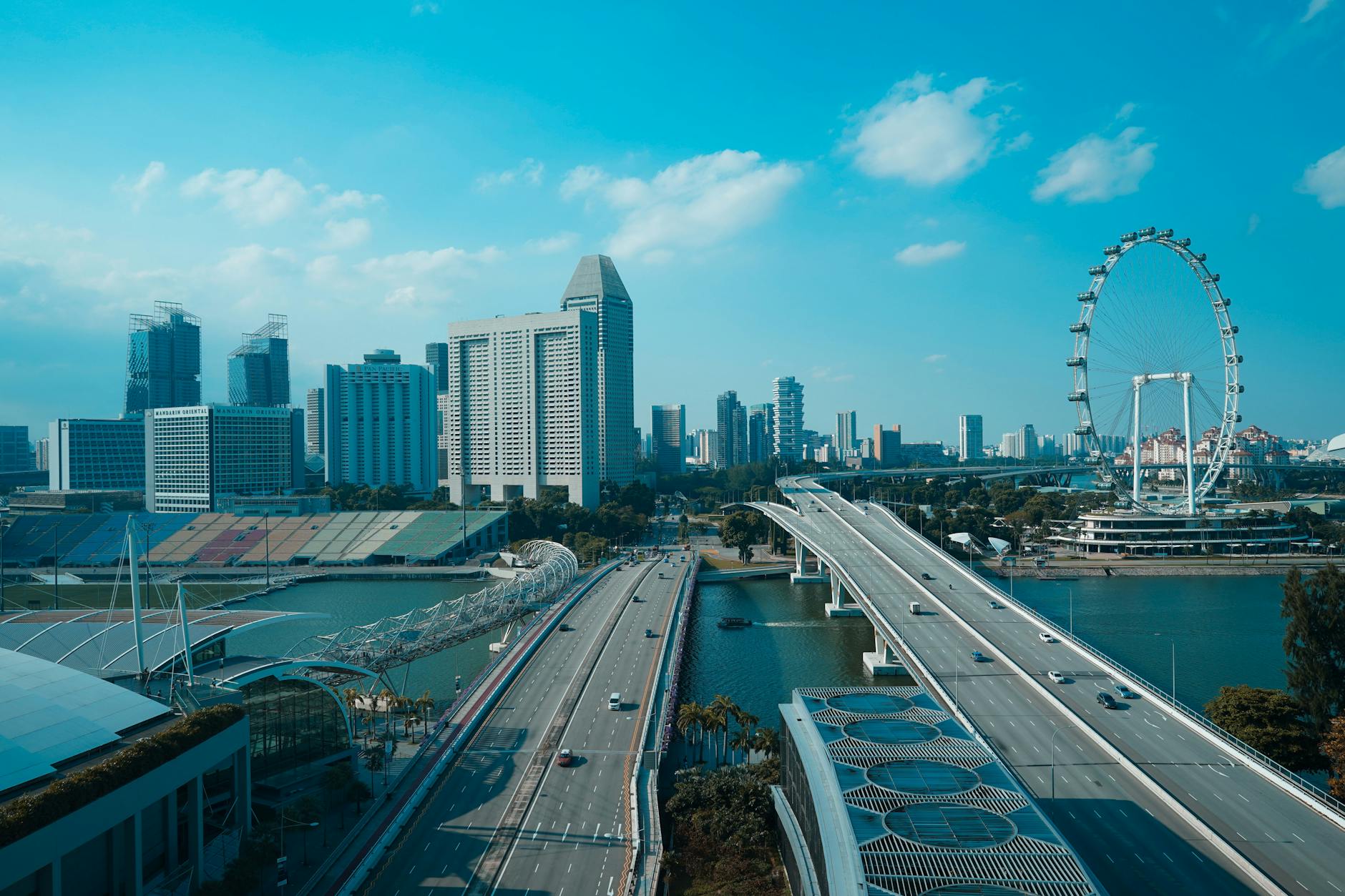
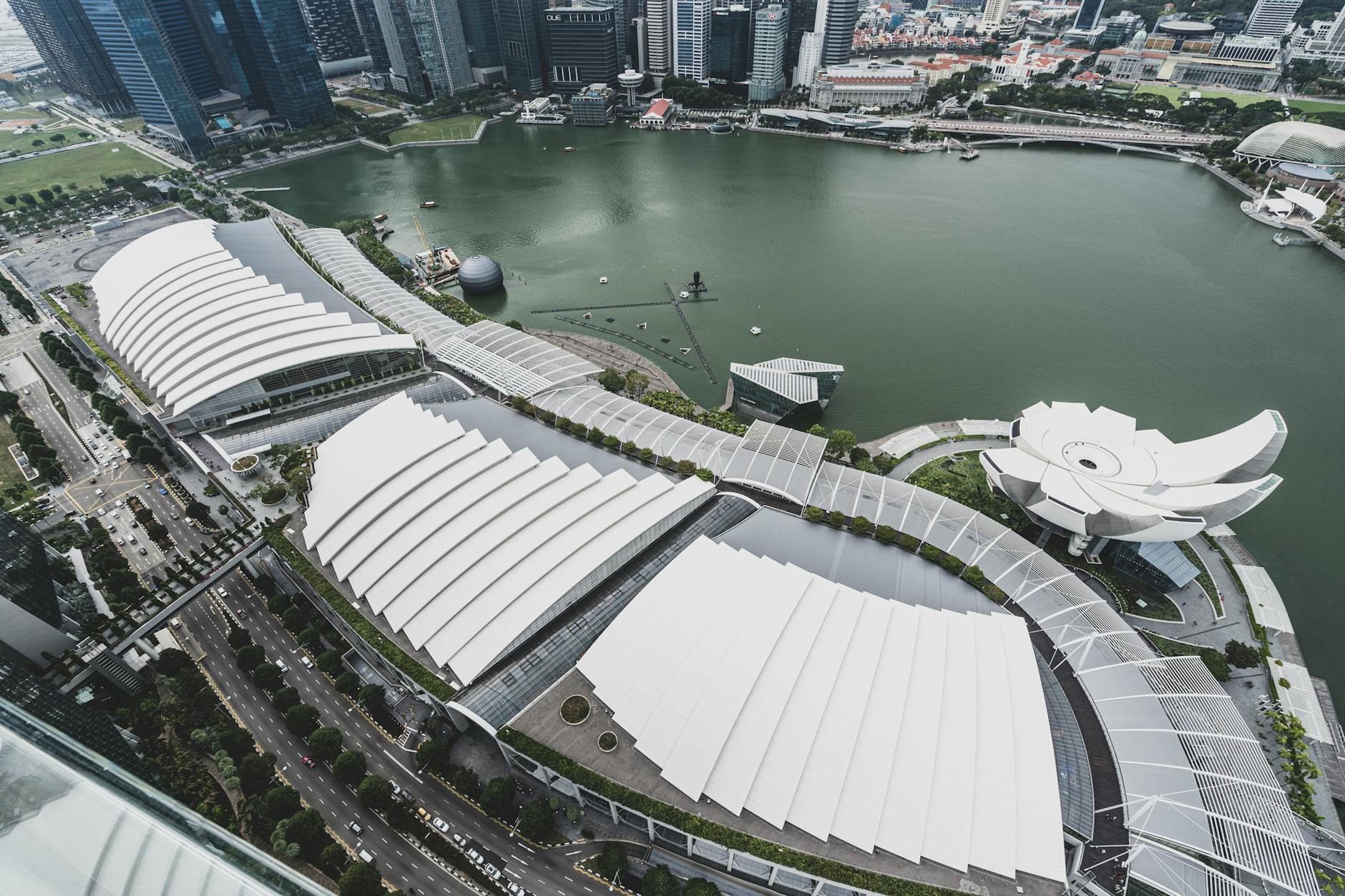
Marina Bay draws visitors to its iconic skyline, the Gardens by the Bay supertrees, and the ArtScience Museum. The light-and-sound show at Marina Bay Sands runs nightly — free to watch from the waterfront promenade.
Chinatown concentrates heritage shophouses, Buddhist temples, and hawker centers into a dense, walkable area. The Sri Mariamman Temple — Singapore's oldest Hindu temple, built in 1827 — sits just a short walk from traditional Chinese clan association buildings.
Little India around Serangoon Road delivers an entirely different sensory experience: turmeric-scented spice shops, flower garland sellers, and the striking Sri Veeramakaliamman Temple. Visitor reviews describe it as the district that feels most viscerally alive.
Kampong Glam, the historic Malay quarter, combines the golden-domed Sultan Mosque with a growing cluster of independent boutiques and specialty coffee shops along Haji Lane — a pairing that somehow works beautifully.
Culture, traditions and way of life
Singapore's culture resists simple definition. Chinese, Malay, Indian, Eurasian, and Western influences have been layered over two centuries of trade history, producing something genuinely unique rather than merely multicultural.
Public holidays reflect this plurality directly. Chinese New Year, Hari Raya Puasa, Deepavali, and Christmas all receive official recognition — and all are celebrated publicly, with decorations and gatherings that spill onto the streets.
The concept of kiasu — a Hokkien term meaning the fear of missing out or losing — shapes daily Singaporean behavior in ways travelers quickly notice. Queues form for popular hawker stalls at 11am. Reservations for sought-after restaurants fill weeks in advance.
Singlish, the local creole that blends English with Malay, Hokkien, and Cantonese elements, functions as an unofficial cultural marker. Phrases like "can lah," "chope" (to reserve a seat), and "alamak" (an expression of dismay) appear constantly in conversation.
Religion remains visibly woven into daily life. Mosques, temples, churches, and synagogues stand within blocks of each other in the central districts — and all appear actively used, not merely preserved for tourism.
Social rules carry real weight here. Fines for littering, eating on the MRT, or importing chewing gum are well-known — and largely respected. Travelers note that this framework produces a public environment that feels genuinely comfortable.
Food: the flavors of Singapore
Singapore's food scene deserves its own journey. Hawker centers — open-air complexes housing dozens of individual stalls — form the backbone of daily eating for Singaporeans across all income levels.
Maxwell Food Centre, Old Airport Road Food Centre, and Lau Pa Sat rank among the most celebrated. A full meal of Hainanese chicken rice, char kway teow, or laksa typically costs between SGD $3 and $6 per dish.
In 2020, Singapore's hawker culture received UNESCO Intangible Cultural Heritage status — recognition that locals welcomed, though many argued it was long overdue.
Chilli crab stands as Singapore's most iconic dish: Sri Lankan mud crab cooked in a tangy, spiced tomato sauce, served with fried mantou bread for dipping. Expect to pay SGD $50–80 per kilogram at seafood restaurants along East Coast Parkway.
Kaya toast with soft-boiled eggs and teh tarik (pulled milk tea) constitutes the classic Singaporean breakfast — available at traditional kopitiams (coffee shops) from around SGD $4 for the full set.
Beyond hawker food, Singapore hosts a remarkable fine dining landscape, including multiple Michelin-starred restaurants. Odette, Meta, and Les Amis consistently appear in Asia's 50 Best Restaurants rankings, attracting serious food travelers from across the region.
Practical information
Visa and entry requirements
Singapore operates a generous visa policy. Citizens of over 160 countries, including the United States, United Kingdom, Australia, and all EU member states, enter visa-free for stays of 30 to 90 days depending on nationality.
From 2024, Singapore introduced the Singapore Arrival Card (SGAC), a mandatory electronic arrival declaration that replaces the previous paper forms. Completion takes under five minutes online.
Passport validity of at least six months beyond the travel date is required. Yellow fever vaccination certificates apply for travelers arriving from endemic countries — the full list appears on the Immigration and Checkpoints Authority website.
Budget and cost of living
Singapore sits comfortably in the premium travel tier. Budget travelers can manage on SGD $80–120 per day by staying in hostels (from SGD $30/night), eating at hawker centers, and using public transport.
Mid-range travelers should budget SGD $200–350 per day, covering three-star hotels from SGD $120/night, casual restaurant meals, and paid attractions. Luxury options — Marina Bay Sands, Capella Singapore — start around SGD $500–800 per night.
Alcohol carries significant taxes in Singapore. A beer at a bar typically costs SGD $10–15; wine and cocktails run SGD $18–28 per glass. Duty-free purchases on arrival represent genuine savings worth utilizing.
Getting around
Singapore's Mass Rapid Transit (MRT) system covers the island comprehensively, with fares ranging from SGD $0.92 to $2.50 per journey. The EZ-Link card, loaded at any station, handles MRT, bus, and even some taxi payments seamlessly.
Grab (Southeast Asia's dominant ride-hailing app) runs efficiently throughout Singapore, with most city center rides costing SGD $8–20. Traditional taxis remain plentiful. Cycling infrastructure has expanded significantly, with dedicated paths along East Coast Park and many residential areas.
When to visit Singapore?
Singapore's position near the equator means heat and humidity stay relatively constant throughout the year — monthly averages rarely stray outside the 25–32°C range regardless of season.
Two distinct monsoon seasons shape the year. The Northeast Monsoon runs from December through March, bringing heavier rainfall, particularly in December and January. The Southwest Monsoon spans June through September, with shorter but more intense afternoon thunderstorms.
Visitor numbers peak during December and the Chinese New Year period (late January or February). Hotels charge premium rates during these windows, and popular attractions fill quickly — booking accommodation three to four months ahead is standard practice.
Local guides recommend February through April as the most comfortable period: slightly lower humidity, less intense rainfall, and shoulder-season hotel pricing. March in particular sees pleasant conditions by Singapore's standards.
The Singapore Food Festival in July and the Formula 1 Singapore Grand Prix in September draw significant international crowds — worth timing a visit around if either aligns with personal interests, though accommodation prices spike accordingly.
Frequently Asked Questions about Singapore
Similar Destinations
Explore more destinations in the same region of the world.
Beijing
Beijing, China layers imperial drama and living street life, from the Forbidden City’s vermilion gates to…
DiscoverTaipei
Taipei, Taiwan's electric capital, draws travelers with iconic landmarks like Taipei 101, the dazzling Shilin…
DiscoverTokyo
Tokyo, Japan hits fast: Shibuya Crossing surges with crowds, Sensō-ji Temple anchors old Asakusa, and…
Discover