Explore Brazil
1 destination to discover
Everything about Brazil
Traveling to Brazil means stepping into one of the most geographically and culturally diverse countries on Earth — a place where the Amazon meets colonial architecture, and samba rhythms echo through cobblestone streets.
This is a country of staggering contrasts: endless jungle, cerrado highlands, Atlantic beaches, and wetlands teeming with wildlife.
Brazil rewards the curious traveler. Whether you're drawn to remote Amazonian villages or vibrant coastal cities, there is always something unexpected waiting just around the corner.
Why travel to Brazil?
What sets Brazil apart from other destinations
Brazil is the fifth-largest country in the world, covering over 8.5 million square kilometers. That scale translates directly into variety — ecosystems, climates, and cultures that shift dramatically as you move across the country.
No other destination combines the raw wilderness of the Amazon, the crystalline waters of the Pantanal, and the cultural energy of Rio de Janeiro in a single border. Brazil is genuinely in a category of its own.
Brazil at a glance
Brazil is home to approximately 215 million people, making it the largest country in South America by both area and population. Portuguese is the official language, though indigenous languages remain alive in many regions.
The country spans 26 states and one federal district, each with its own identity, accent, and cuisine. Visitors often find that traveling through Brazil feels like visiting several countries at once.
Regions and cities to explore
The main regions of Brazil
The Amazon region in the north covers roughly 60% of Brazil's territory. It holds the largest tropical rainforest on the planet and rivers wide enough to swallow entire European cities.
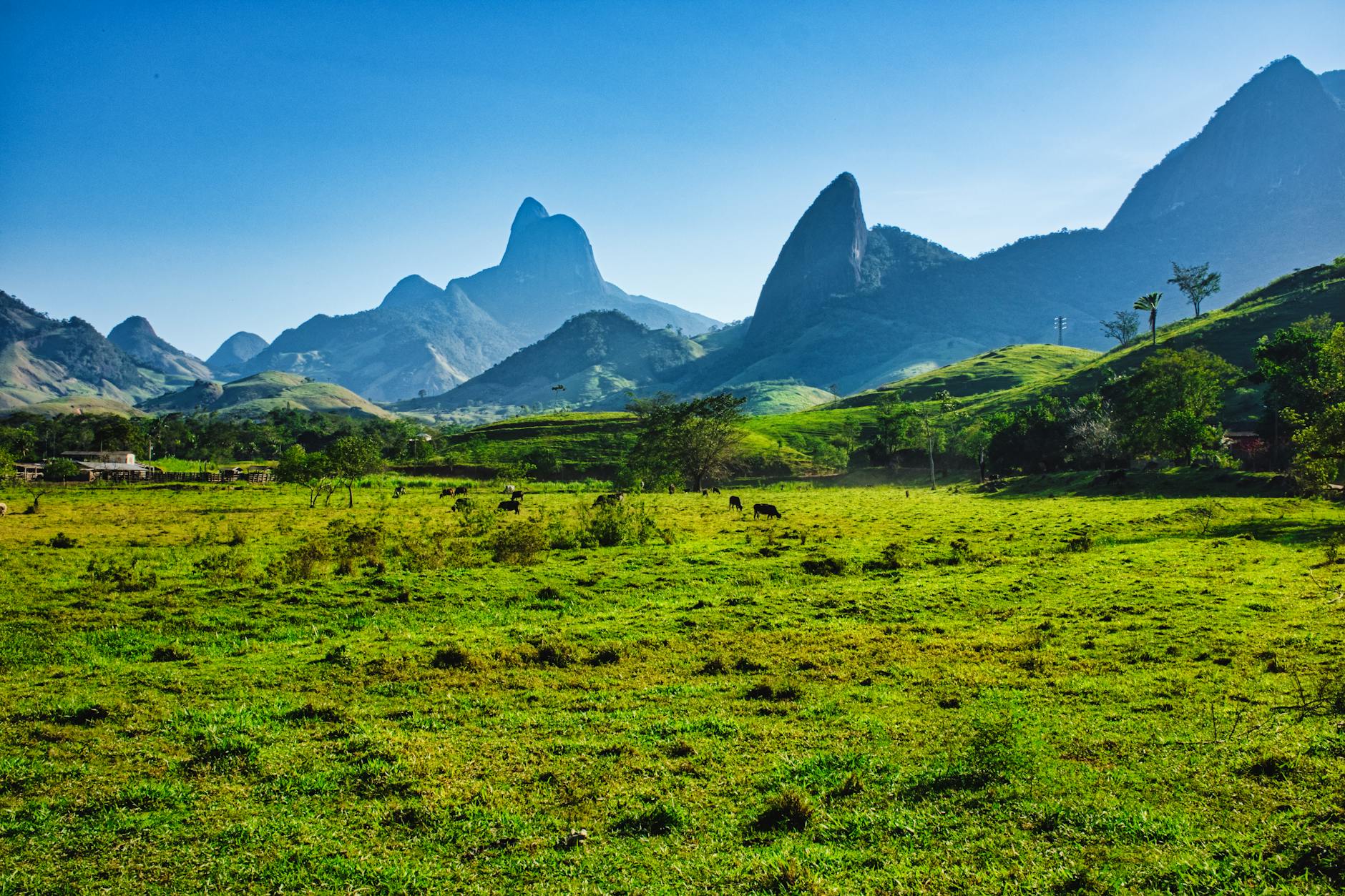
The Cerrado, Brazil's vast central savanna, is one of the world's most biodiverse savannas. The dramatic plateaus of Chapada dos Veadeiros rise from this landscape, drawing hikers and nature lovers year-round.
The Northeast is famed for its warm waters, dune landscapes, and a slower pace of life strongly rooted in African heritage. The Southeast, anchored by São Paulo and Rio, concentrates much of the country's economic and cultural energy.
The Pantanal, straddling the Center-West and extending into Bolivia and Paraguay, is the world's largest tropical wetland. Wildlife density here surpasses even the Amazon for sheer visibility.
Which cities should you visit?
Belém, at the mouth of the Amazon, is a city of markets, mangoes, and Ver-o-Peso — one of Latin America's largest open-air markets. The city serves as the gateway to the river and carries a colonial grandeur that surprises most visitors.
Alter do Chão, a small town deep in the Pará state, sits beside freshwater beaches of startling clarity. Local guides recommend it as the most underrated destination in the entire Amazon basin.
Arraial do Cabo and Cabo Frio, on the Rio de Janeiro coastline, are known for turquoise lagoons and wind-swept dunes — a completely different face of Brazil from the tropical clichés.
Bonito, in Mato Grosso do Sul, has built a model of sustainable ecotourism around its crystal-clear rivers and flooded caves. Snorkeling alongside dourado fish here is an experience visitor reviews consistently describe as life-changing.
Chapada dos Veadeiros is a UNESCO World Heritage plateau dotted with waterfalls, quartz rock formations, and trails that stretch for days into the highland wilderness.
Culture, traditions and way of life
Brazilian culture is the product of three deep roots: Indigenous, Portuguese colonial, and African. The blending is visible everywhere — in music, food, religion, and the Portuguese spoken here, which absorbs words from Tupi and Yoruba without hesitation.
Carnival is the most globally recognized expression of this culture, but it is only one layer. Festas Juninas in June, Candomblé ceremonies in Bahia, and the Boi Bumbá festival in Parintins reveal traditions equally powerful and far less photographed.
Brazilians place enormous value on social warmth — a concept locals call jeitinho brasileiro, the art of finding a way through any situation with creativity and ease. Visitors often remark on how quickly they feel welcomed into local gatherings.
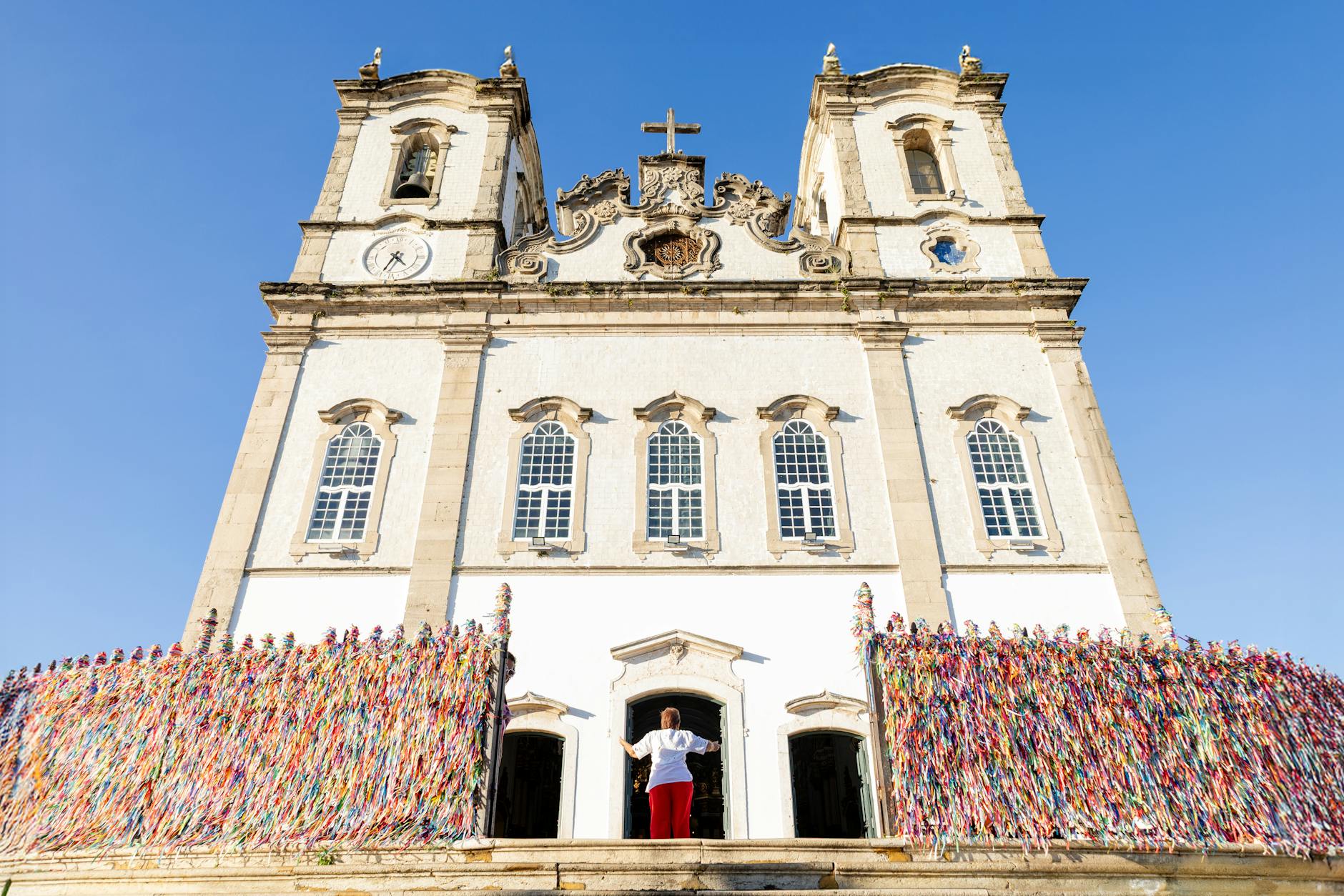
Music is woven into daily life here. Samba, forró, axé, MPB, baião — each region has its own soundtrack. A neighborhood bar in Salvador on a Thursday night can feel as alive as any concert hall anywhere in the world.
Football is not simply a sport in Brazil — it functions as a shared national language. Attending a match in a local stadium, even a regional game, connects travelers directly to something deep in the Brazilian identity.
Food: the flavors of Brazil
Brazilian food is intensely regional. What people eat in Belém has little resemblance to what fills a plate in Porto Alegre or Salvador. Traveling through Brazil means eating through entirely different culinary traditions.
In the Amazon, tucupi — a fermented yellow broth extracted from cassava — features in dishes like tacacá and pato no tucupi. These flavors are unlike anything found elsewhere in the world.
Feijoada, a slow-cooked black bean and pork stew, is often called Brazil's national dish. Traditionally served on Wednesdays and Saturdays, it is eaten leisurely, with family, always followed by a long afternoon.
Street food culture is rich and varied. Acarajé from Bahia — black-eyed pea fritters filled with vatapá and dried shrimp — is sold by women in white dresses following a centuries-old Afro-Brazilian tradition recognized by UNESCO.
Fresh fruit in Brazil deserves its own category. Açaí, cupuaçu, bacuri, maracujá, and caju appear in juices, creams, and desserts. Local markets in any northern city provide access to dozens of fruits with no name in English.
Practical information
Visa and entry requirements
Entry requirements depend on nationality. Citizens of the United States, Canada, and Australia previously needed a visa — Brazil re-introduced visa-free access for these nationalities in 2024, valid for stays up to 90 days.
EU citizens have long traveled visa-free. All visitors should carry a valid passport with at least six months of remaining validity. Yellow fever vaccination is strongly recommended and required if arriving from certain countries.
Budget and cost of living
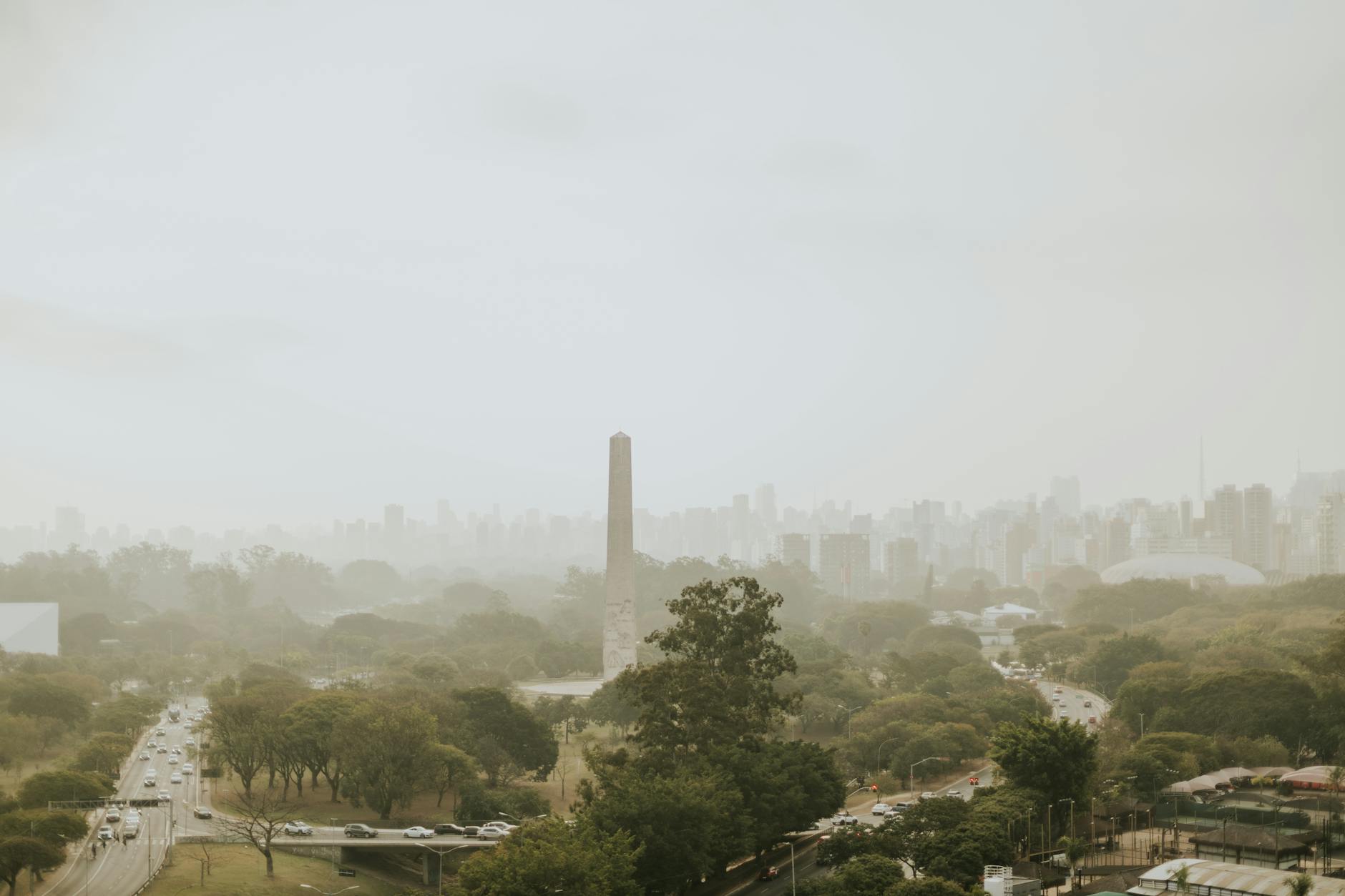
Brazil can be traveled on a wide range of budgets. A comfortable mid-range daily budget in most cities sits around BRL 250–400 per day (roughly USD 50–80), covering accommodation, meals, and local transport.
International tourist hubs like Rio de Janeiro and São Paulo run more expensive than the north or northeast. Ecotourism destinations like Bonito require advance booking, as daily visitor numbers are strictly controlled to protect the environment.
Getting around
Brazil's size makes internal flights a practical necessity for longer itineraries. Airlines like LATAM and Gol connect major cities, and domestic fares can be reasonable when booked in advance.
Long-distance buses are comfortable and affordable across most of the country. In the Amazon, river travel by boat is not just scenic — it is sometimes the only way to reach certain communities.
When to visit Brazil?
Brazil has no single best time to visit because the country's size creates entirely different climates across its regions. Planning well means understanding which region you're heading to first.
The Amazon is drier from June to November, making trails more accessible and river beaches visible. During the wet season, rivers rise dramatically and boat routes open into flooded forests — a different but equally compelling experience.
Rio de Janeiro and the Southeast are most popular between December and March, coinciding with Carnival. This period brings heat, humidity, and crowds. Shoulder months like May and September bring pleasant temperatures and thinner tourist traffic.
The northeast coast — Fortaleza, Natal, Jericoacoara — is at its best between July and December, when rainfall drops and trade winds cool the beaches. The rest of the year remains warm but wetter.
Chapada dos Veadeiros and the Cerrado are best visited in the dry season, April through September, when waterfalls are accessible and trails are safe. The Pantanal peaks for wildlife in the dry months of June through October, when animals concentrate around remaining water sources.
Local guides in the Pantanal note that the dry season transforms the wetland into one of the most spectacular wildlife-watching destinations on the planet — comparable to East African savanna but far less visited.
Frequently Asked Questions about Brazil
Similar Destinations
Explore more destinations in the same region of the world.
Buenos Aires
Buenos Aires, Argentina, pulses with tango rhythms in La Boca's Caminito, grand colonial history at Plaza de…
DiscoverMexico City
Mexico City, Mexico's sprawling capital, pulls travelers in with ancient Aztec ruins beneath the Zócalo…
DiscoverNew York
New York, United States, hits hard from the first glance: the Statue of Liberty rising over the harbor…
Discover