Explore Argentina
1 destination to discover
Everything about Argentina
Traveling to Argentina means stepping into a country of staggering contrasts — glaciers and subtropical jungles, colonial plazas and cutting-edge design districts, cattle ranches stretching to every horizon.
Few countries pack this much geographic and cultural range into a single border. Argentina spans nearly 2.8 million square kilometers, running from the tropics down to the edge of Antarctica.
What ties it all together is a distinct Argentine personality: passionate, proud, intensely social — and always ready to share a mate.
Why Travel to Argentina?
What Sets Argentina Apart from Other Destinations
Argentina wears its contradictions well. The European-influenced architecture of Buenos Aires sits alongside Andean indigenous traditions. The Patagonian steppe stretches for thousands of kilometers with almost no one in it.
It's a destination where tango is still danced in street corners at midnight and where a single national park, Los Glaciares, shelters one of the largest ice fields outside the poles. The scale is genuinely hard to grasp until you're inside it.
Argentina at a Glance
- Population: approximately 46 million
- Area: 2.78 million km²
- Capital city: Buenos Aires
- Official language: Spanish
- Currency: Argentine Peso (ARS)
- Time zone: ART (UTC-3)
- Country code: +54
The literacy rate exceeds 99%, and the country has produced five Nobel Prize winners. Argentina ranks as the second-largest economy in South America by GDP.
Regions and Cities to Explore
The Main Regions of Argentina
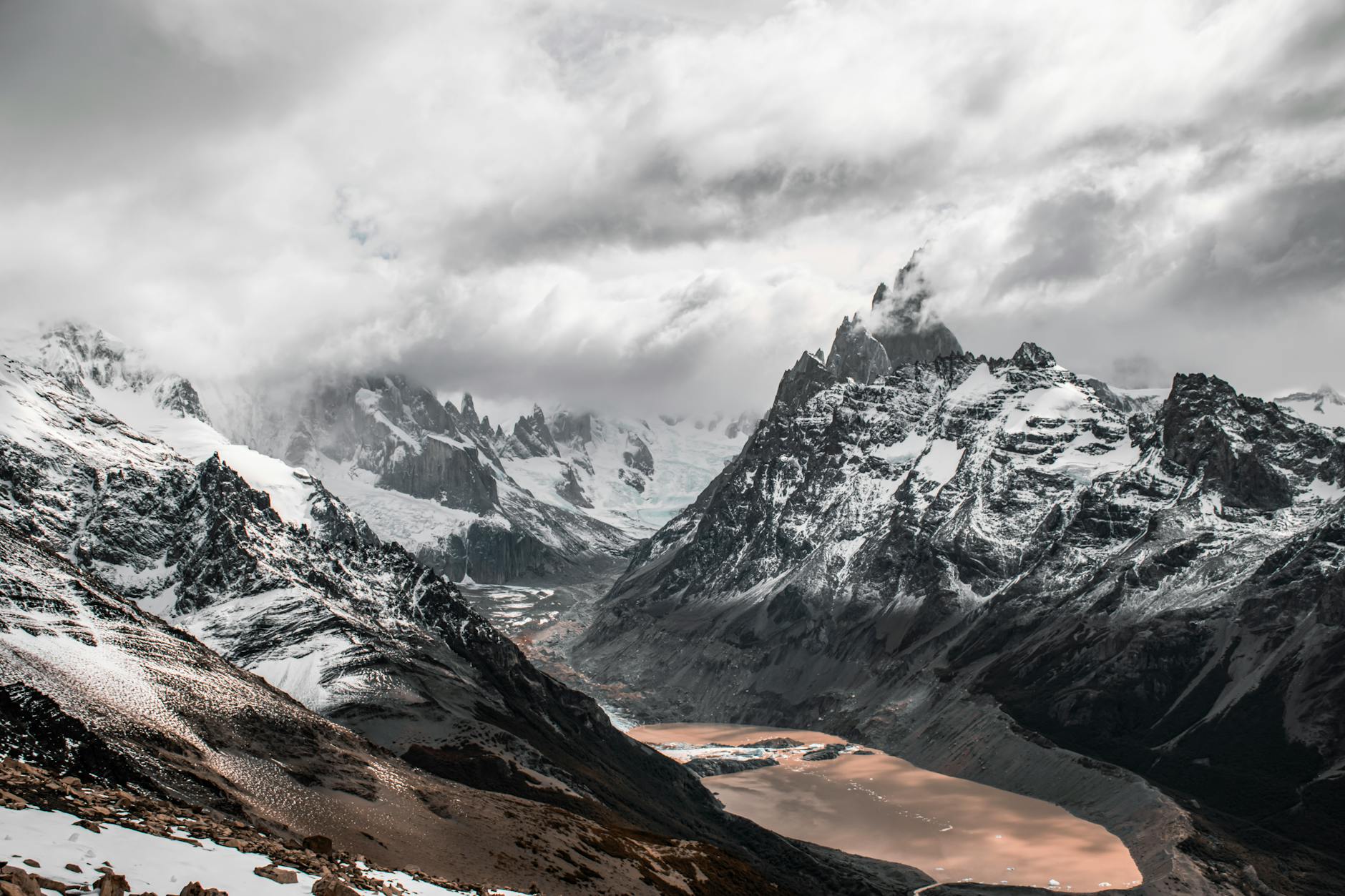
Patagonia, in the south, draws trekkers and wildlife enthusiasts from every corner of the world. It's raw, wind-scoured, and spectacularly remote.
The Andean Northwest — known as the NOA — brings together high-altitude deserts, colorful rock formations, and indigenous Andean culture that predates the Spanish by centuries.
The Pampas form the agricultural heartland: flat, fertile grasslands where the gaucho tradition was born and where much of Argentina's beef and soy is produced.
The Mesopotamia region, in the northeast, is defined by water — the Paraná and Uruguay rivers, wetlands, and the thunderous roar of Iguazú Falls on the Brazilian border.
Cuyo, in the west, is wine country. Mendoza Province alone accounts for roughly 70% of Argentina's total wine production, centered on Malbec grapes grown at altitude.
Which Cities Should You Visit?
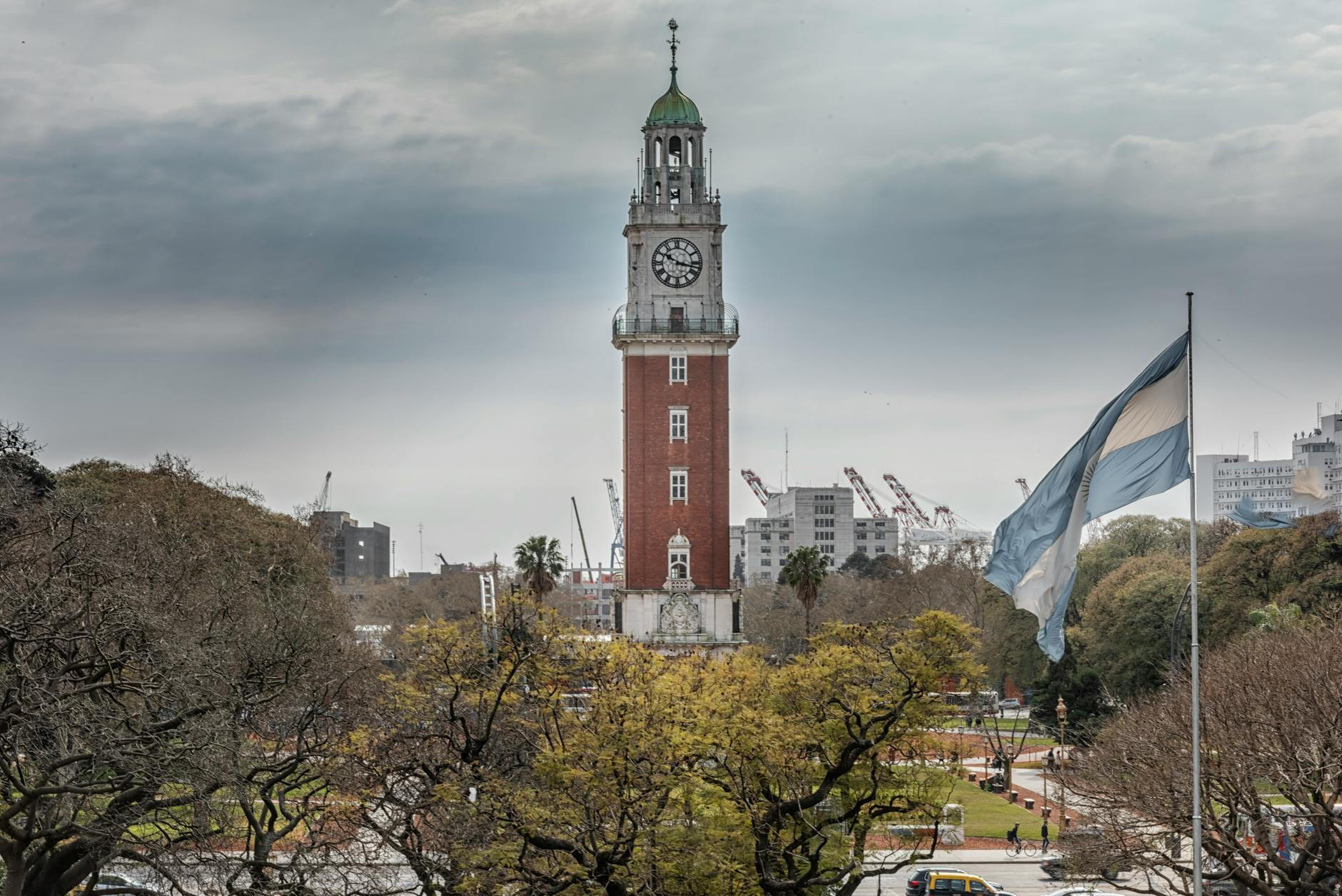
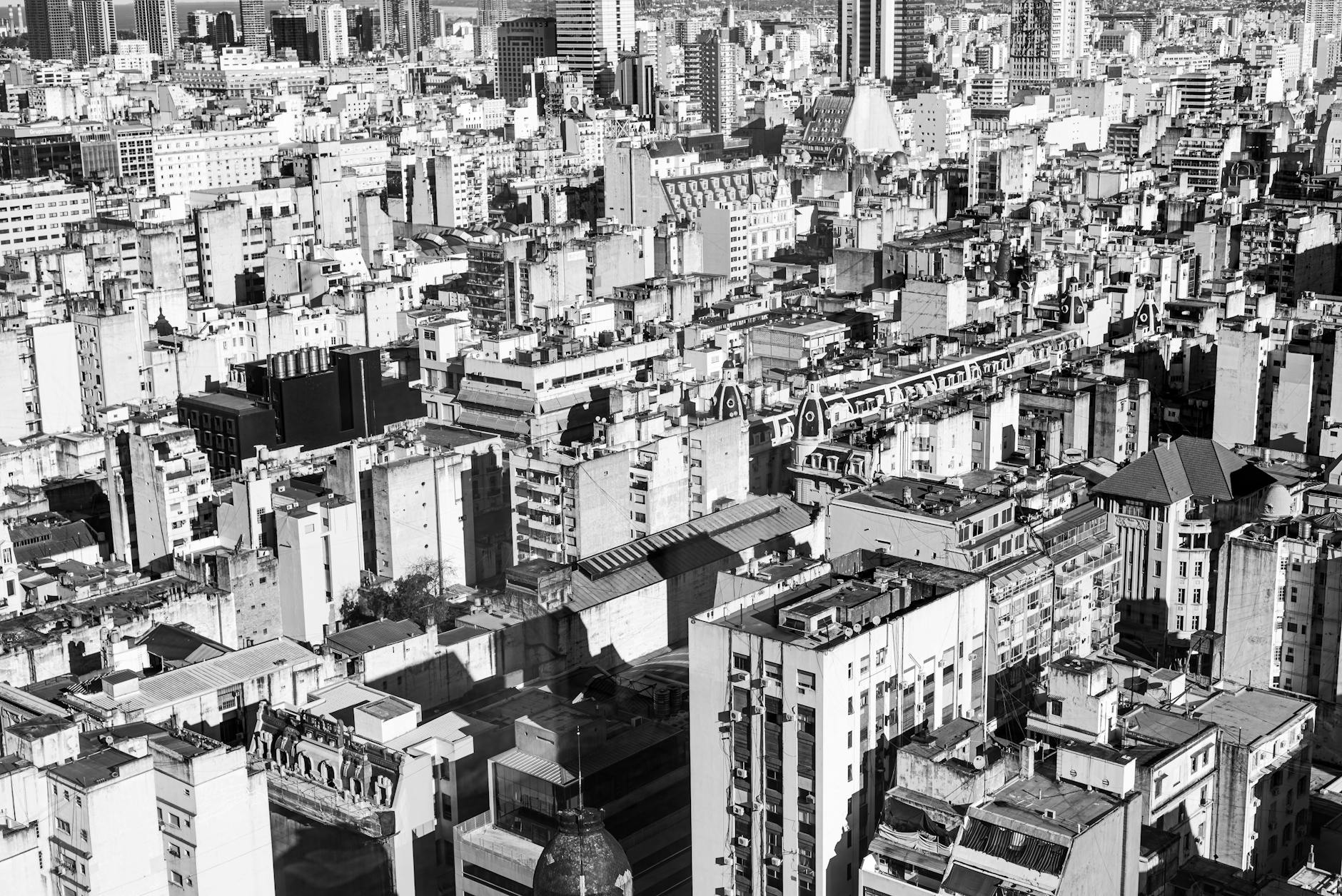
Buenos Aires is the obvious starting point — a metropolis of 15 million people in its greater area, with world-class museums, restaurants, and nightlife that rarely ends before dawn.
Córdoba, Argentina's second city with around 1.4 million residents, has a thriving university scene, Jesuit heritage listed by UNESCO, and a reputation for sharp local humor.
Bariloche sits on the edge of Nahuel Huapi Lake in the Andes, surrounded by ski slopes in winter and hiking trails in summer. The Swiss-influenced architecture feels genuinely eccentric this deep in South America.
El Calafate is the gateway to Perito Moreno Glacier — one of the few advancing glaciers left on the planet, and a sight that stops visitors mid-sentence.
Puerto Iguazú puts travelers within reach of the Iguazú Falls, a system of 275 individual waterfalls spread across nearly 3 kilometers of jungle landscape. UNESCO declared it a World Heritage Site in 1984.
Culture, Traditions and Way of Life
Argentine culture is loud, warm, and built around shared time. Meals run late — dinner before 9 p.m. is considered early, and restaurants often don't fill until 10.
The asado tradition goes far beyond a barbecue. It's a slow ritual, sometimes lasting hours, centered on wood-fire grilling and long conversation. Visitor reviews confirm it's often the most memorable meal of any trip.
Tango is the other cultural pillar — born in the working-class neighborhoods of Buenos Aires in the late 19th century, it remains a living art form. The milonga dance halls of San Telmo and Almagro still fill every weekend.
Football (soccer) functions more like a religion than a sport. Matches at La Bombonera or El Monumental generate an atmosphere that travelers describe as unlike anything else in the world.
Mate — a bitter herbal drink served in a gourd and shared among friends — is consumed constantly, everywhere, by virtually everyone. Being offered mate is a sign of genuine welcome.
Argentines take pride in their cultural output. Buenos Aires alone has more bookshops per capita than almost any city on Earth, and the country's literary tradition, from Borges to Cortázar, is part of daily identity.
Food: the Flavors of Argentina
Argentine food is unabashedly meat-forward. The beef here is grass-fed, richly marbled, and often cut in ways unfamiliar to North American or European visitors — asado de tira, vacío, entraña.
Local guides recommend ordering a parrillada mixta — a mixed grill — to sample multiple cuts at once. Portions are substantial. Two people can often share one.
Empanadas vary by region and are taken seriously. Salta-style empanadas use cumin-heavy beef filling. Tucumán claims to make the country's best. The debate is ongoing and passionate.
Dulce de leche appears in everything — pastries, ice cream, cakes, spread on toast. Argentine helado (ice cream) rivals Italian gelato in quality and complexity.
Wine culture is central to dining. Mendoza Malbec is the flagship variety, but Torrontés whites from Salta and Patagonian Pinot Noirs are gaining serious international attention.
Vegetarians will find Argentine cities increasingly accommodating, especially Buenos Aires. Outside major urban centers, options narrow considerably — bread, pasta, and cheese carry the load.
Practical Information
Visa and Entry Requirements
Citizens of the United States, Canada, the United Kingdom, Australia, and the European Union do not require a visa for tourist stays. The standard permitted stay is 90 days, extendable by exiting and re-entering the country.
A valid passport is required — some nationalities holding MERCOSUR-member country IDs can enter with those alone. No advance visa application is needed for most Western travelers, but entry requirements shift, so checking with the Argentine consulate before departure is always wise.
Budget and Cost of Living
Argentina's currency situation is complex. The official exchange rate and the informal "blue dollar" rate have historically diverged significantly — travelers should research the current situation carefully before exchanging money.
As a general benchmark, a sit-down restaurant meal for one costs roughly 3,000–6,000 ARS. A mid-range hotel in Buenos Aires runs between $50–$120 USD per night depending on season and exchange conditions. Patagonia costs noticeably more than the north.
Getting Around
Argentina is enormous. Domestic flights between Buenos Aires and Patagonia or the northwest save days of travel — Aerolíneas Argentinas and LATAM both cover the main routes.
Long-distance buses are comfortable, affordable, and connect virtually every city. The overnight sleeper buses — coche cama — are a legitimate travel experience in themselves.
Within cities, Buenos Aires has an extensive metro (Subte) system covering 6 lines, and ridesharing apps like Cabify and InDriver work reliably throughout major urban centers.
When to Visit Argentina?
Argentina's size means no single answer fits every traveler. The best time depends entirely on which region you're targeting.
Buenos Aires and the Pampas are most pleasant in spring (October–November) and autumn (March–April), when temperatures hover around 18–24°C and the heat and crowds of January thin out.
Patagonia and El Calafate peak in the austral summer — November through February — when days are long and trails are accessible. Perito Moreno Glacier is visitable year-round, but ice-trekking operations run only in the warmer months.
Bariloche and the Lake District attract skiers from June to September, when snowfall is reliable and the ski infrastructure is fully operational. Summer here brings hikers and cyclists in equal numbers.
Iguazú Falls are spectacular throughout the year, but water levels — and therefore the sheer drama of the falls — peak between November and March after heavy rains upstream.
Visiting Argentina during the Buenos Aires summer (December–February) means intense urban heat above 35°C. Carnival season in the northeast, however, turns February into one of the most vibrant months anywhere in the country.
Frequently Asked Questions about Argentina
Similar Destinations
Explore more destinations in the same region of the world.
Rio de Janeiro
Rio de Janeiro, Brazil, stacks iconic landmarks into a single skyline: Christ the Redeemer watching over…
DiscoverMiami
In Miami, United States, sunlit days roll from the Art Deco glamour of South Beach to salsa-scented streets…
DiscoverLos Angeles
Los Angeles, California's sprawling metropolis, pulls travelers from Hollywood Boulevard's Walk of Fame to…
Discover